


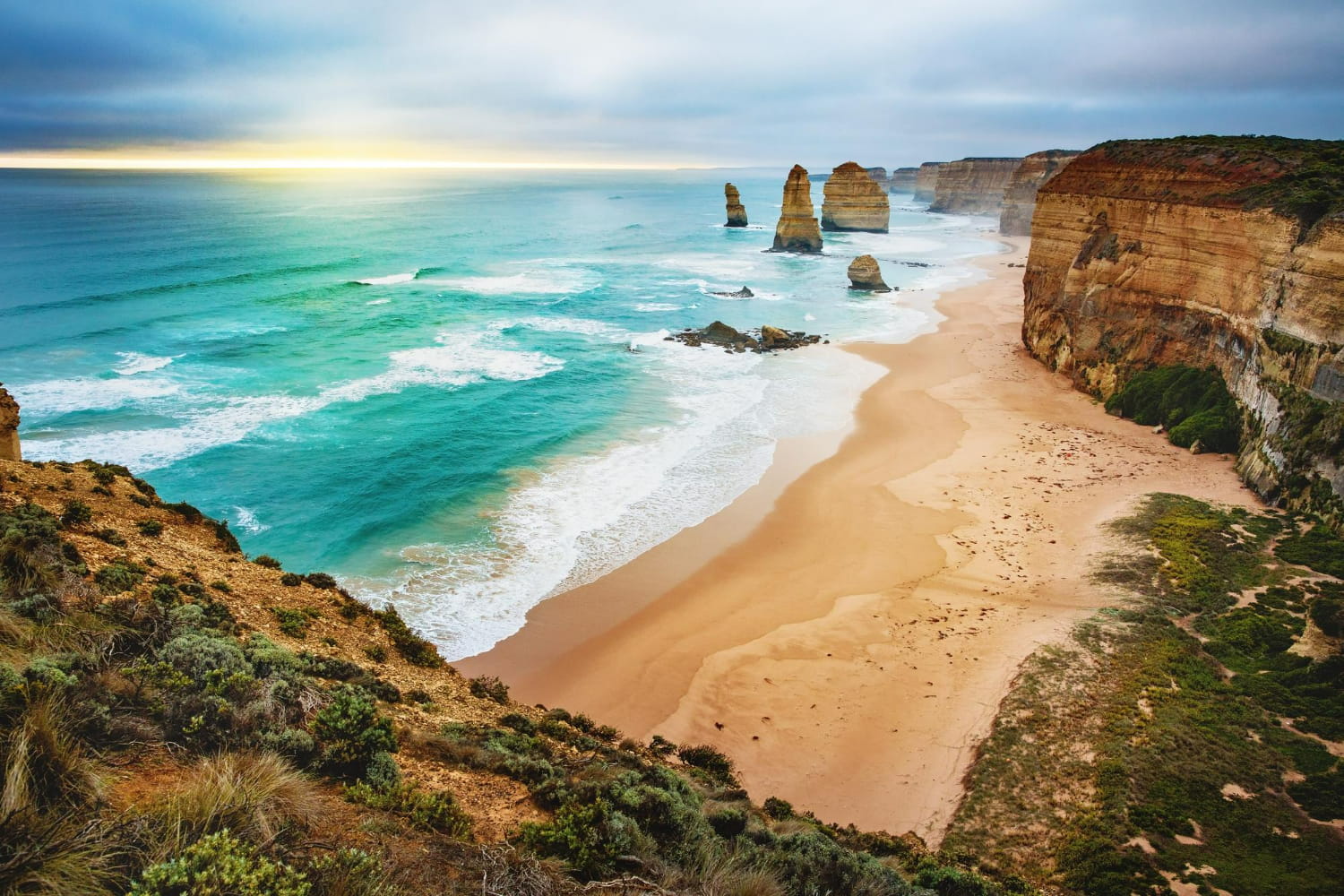
Today, we’re heading to Warrnambool — one of the most fascinating towns along the Great Ocean Road.
And you know what?
If you think the Great Ocean Road is all about the Twelve Apostles, you’re seriously missing out. Warrnambool is where lush green countryside meets the wild Southern Ocean.

And within just a few kilometres of the town, you can see whales, explore an ancient volcanic crater, and discover the stories of ships that were lost at sea. Let’s start with the town’s biggest stars — the whales.
Every winter, roughly from June to September, southern right whales return to Logan’s Beach. This area is known as a whale nursery.
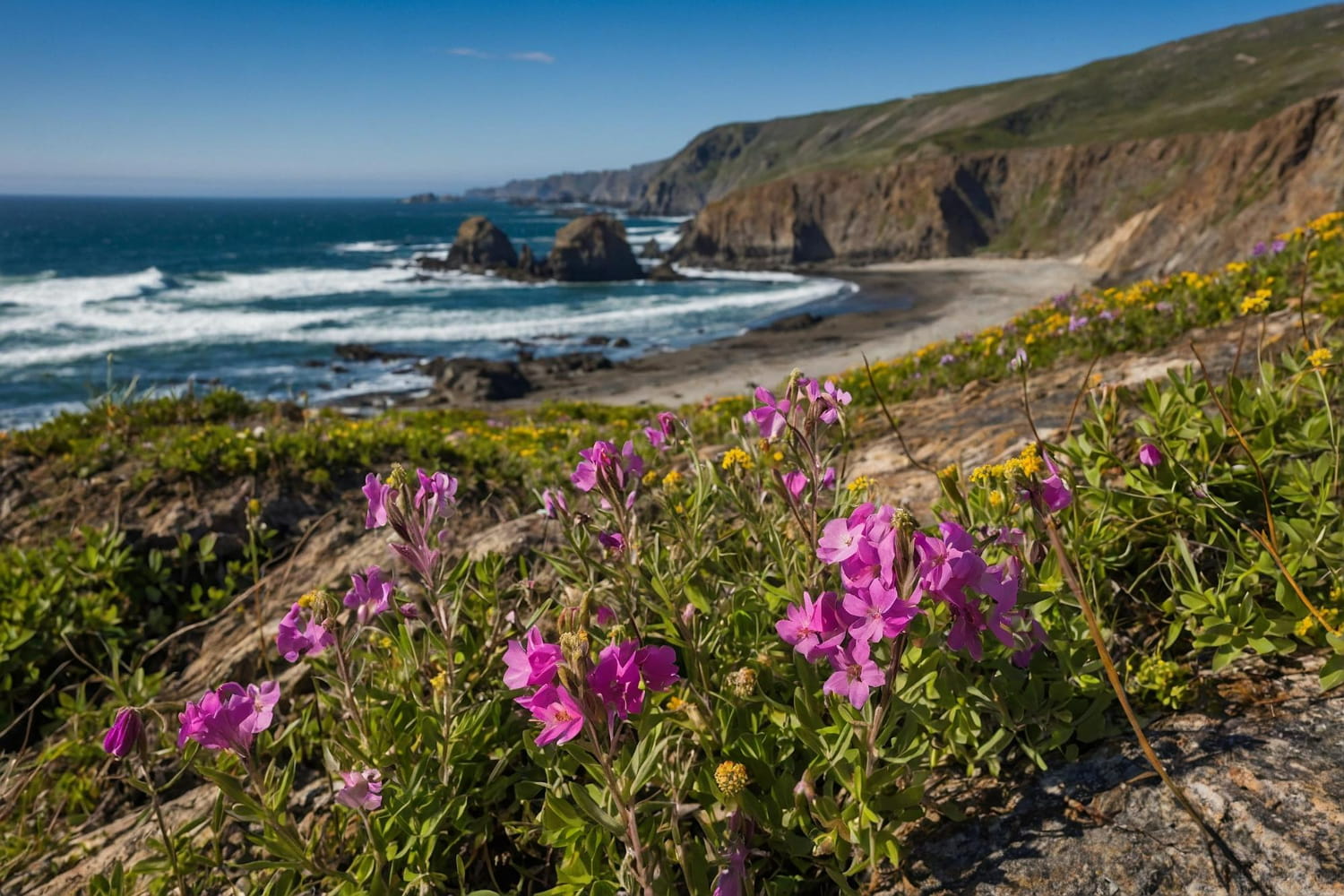
And here’s the incredible part:
Sometimes, the whales come as close as 100 metres from the shore! Just imagine standing on the beach, looking out at the ocean, and suddenly seeing a massive whale swimming alongside her calf. But the story of these whales isn’t always so beautiful. Southern right whales were once hunted on a massive scale.
They were known as “right whales” because they were slow-moving, stayed relatively close to shore, and floated to the surface after they were killed. Today, their population is slowly recovering after being pushed close to extinction.
But Warrnambool has another story to tell.
The town sits on the famous Shipwreck Coast — one of the most dangerous stretches of coastline in Australia. Hundreds of ships were lost here during the 19th century. One of the most famous was the Loch Ard.
In 1878, the ship was wrecked off the coast, and out of around 50 people on board, only two survived — Tom Pearce and Eva Carmichael. Their survival became one of the most famous shipwreck stories in Australian history.
Today, at Flagstaff Hill Maritime Village, you can step back in time and explore a recreated 19th-century town. You can learn how early settlers lived, discover the stories of sailors, and see artefacts recovered from some of the region’s most famous shipwrecks. And there’s one particularly incredible treasure here — the Loch Ard Peacock.
This beautiful porcelain peacock survived the shipwreck. Today, it is considered one of the most valuable surviving artefacts from the Loch Ard, with an estimated value of around four million dollars. But Warrnambool isn’t just about the ocean and shipwrecks. Just 14 kilometres from town lies Tower Hill.And it’s not just another hill.
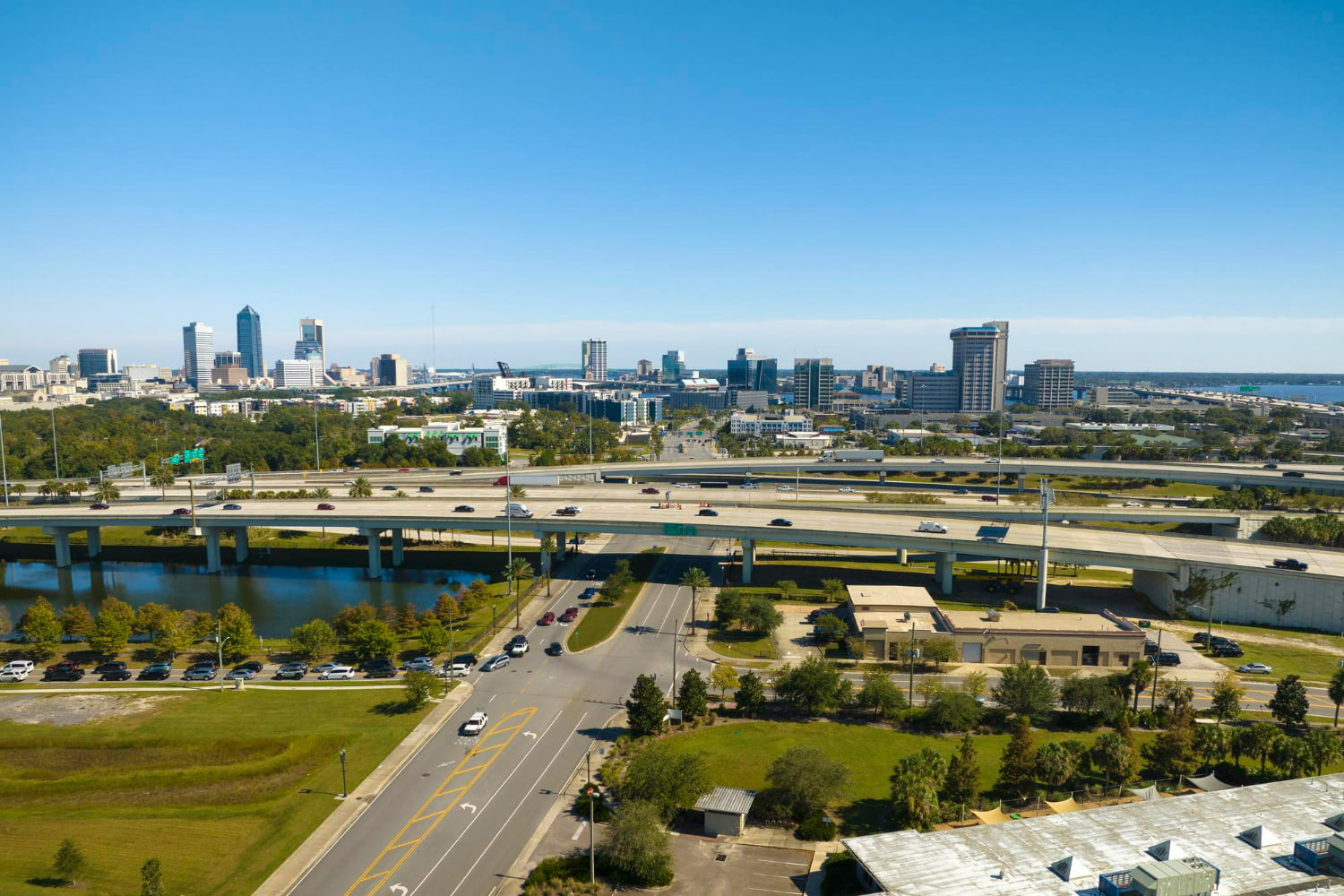
It’s actually the crater of an ancient volcano. Tower Hill was formed around 30,000 years ago after a massive volcanic eruption. Today, the crater is home to a lake, wetlands, native bushland and plenty of Australian wildlife.
Here, you might spot:
- Kangaroos.
- Koalas.
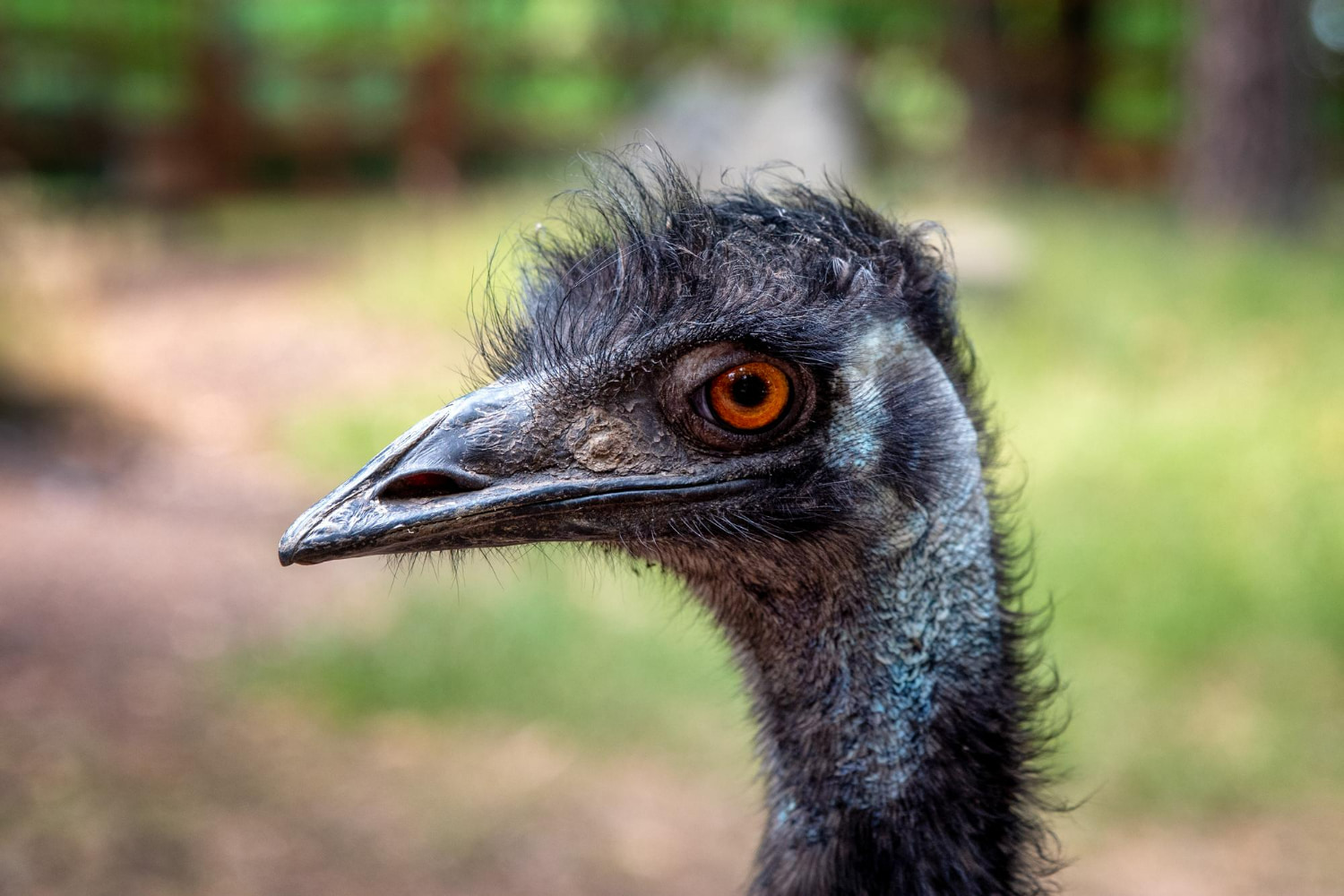
- Emus.
- Black swans.
- An incredible variety of native plants.
But there’s something even more important about this place. Archaeological evidence shows that Aboriginal people lived here thousands of years ago — long before European settlement. So Warrnambool is a place where history is literally beneath your feet.
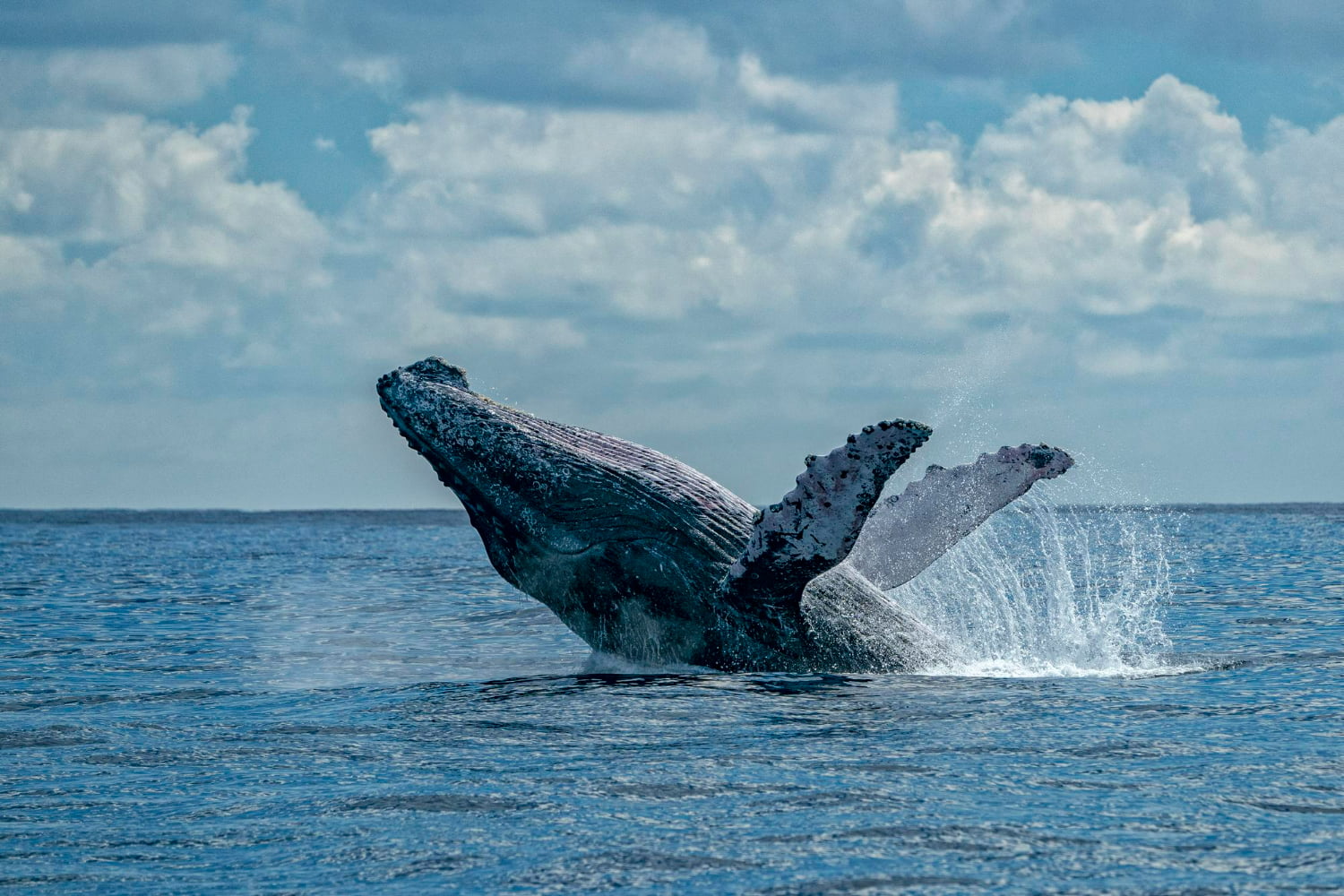
You can discover ancient volcanic landscapes, hear stories passed down through generations, learn about dramatic shipwrecks and, during winter, watch whales just offshore.
And that’s what makes Warrnambool so special. It’s not just another stop along the Great Ocean Road. It’s a place where the ocean tells stories. Where every cliff has a shipwreck tale.
Where an ancient volcano has become a wildlife sanctuary.
And where enormous whales return year after year, following a journey that has been part of their natural cycle for generations. So, if you’re driving along the Great Ocean Road, don’t rush past Warrnambool. Stay for at least a day.
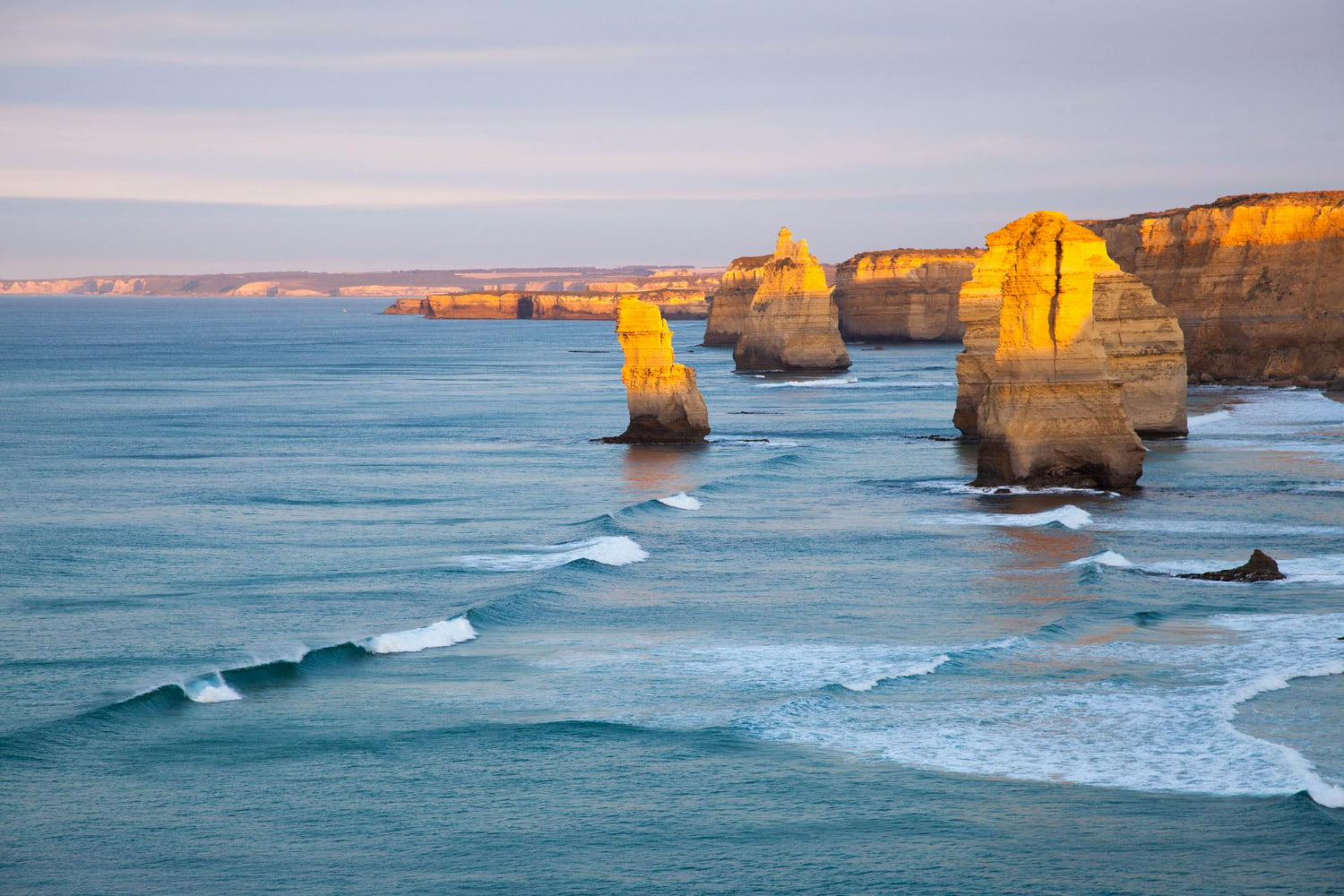
Because you might just discover a completely different side of Australia here.
Read the article: Travel to the City of Bendigo, State of Victoria, Australia