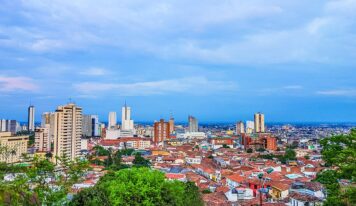
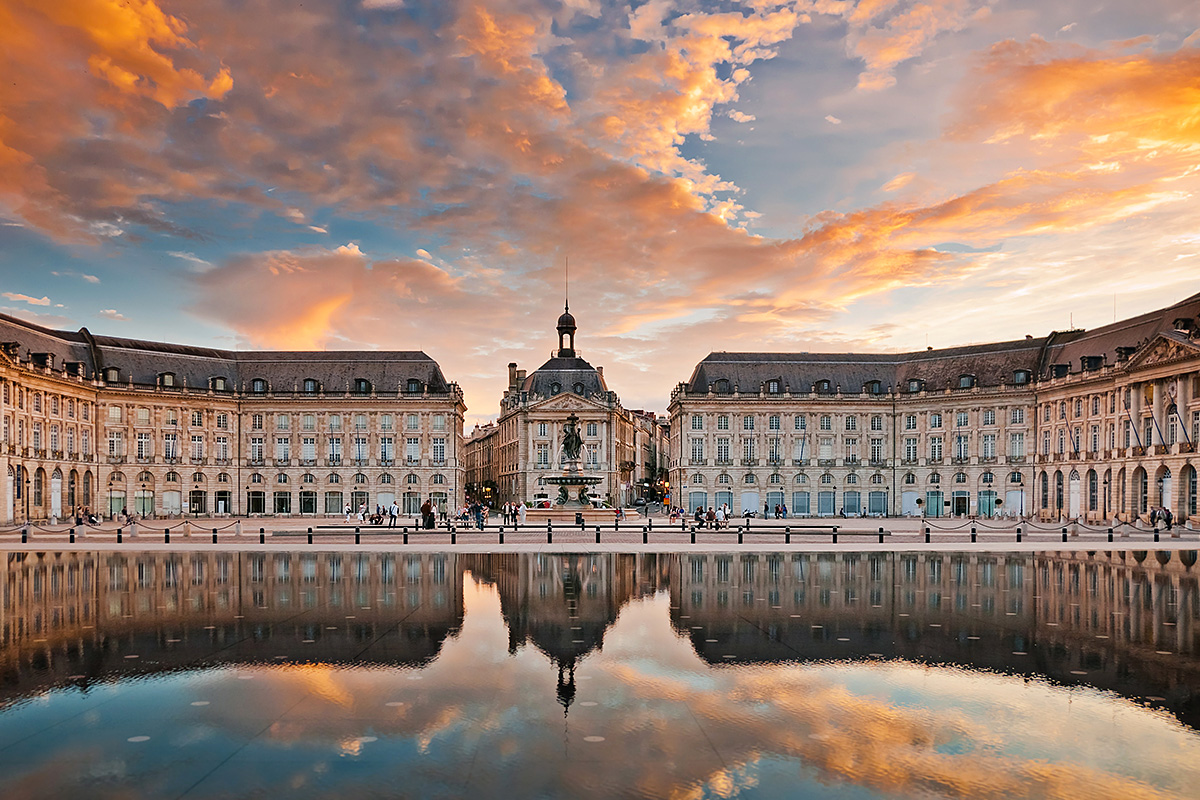



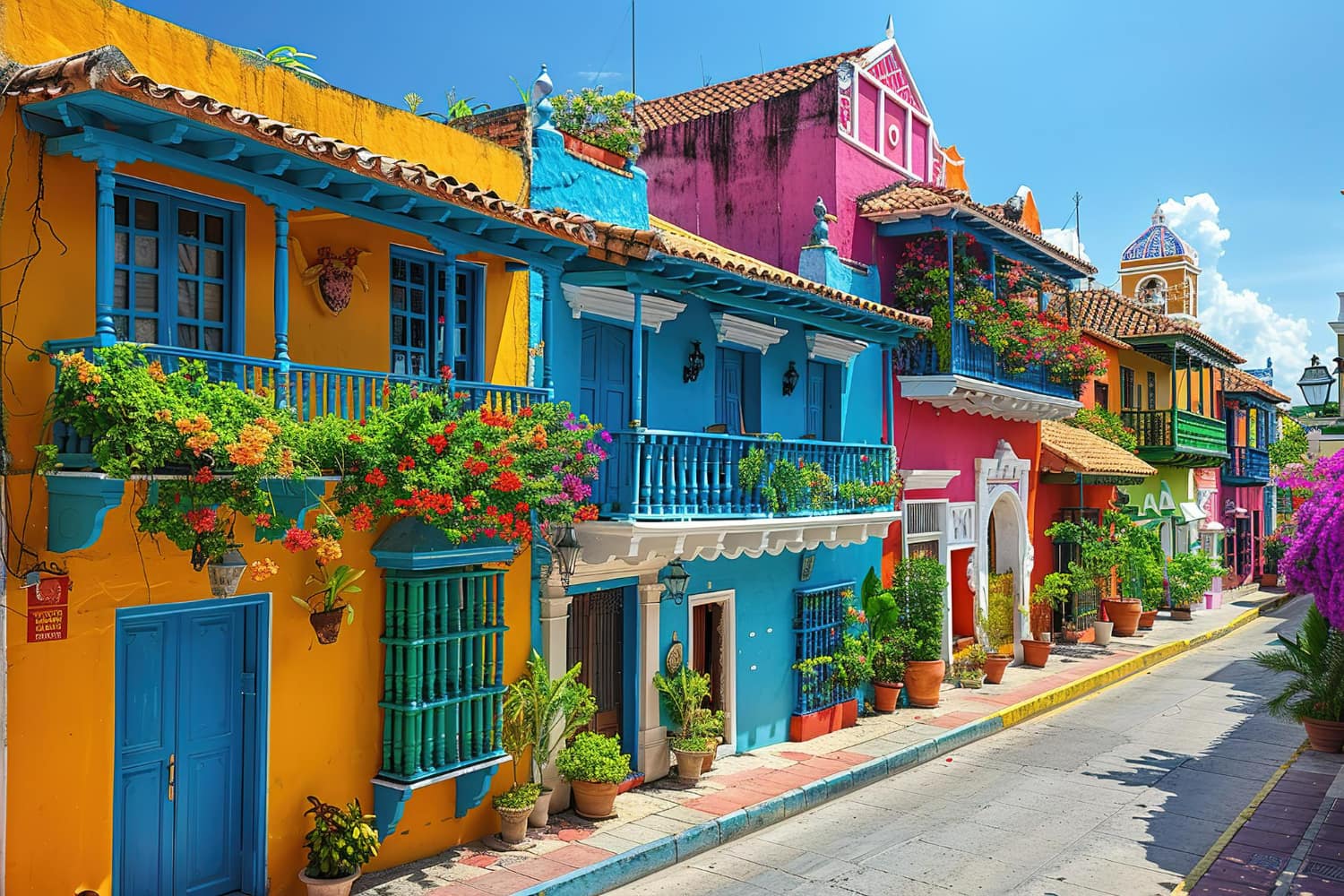
Cartagena is a city where, in just one day, you can experience several completely different worlds. Here, you’ll find a historic colonial center, ancient fortress walls, pirate stories, a massive fortress, colorful houses, street artists, Caribbean beaches, islands, local cuisine, and the authentic atmosphere of Colombia. So today, we’re heading out to explore Cartagena and discover what makes this city so appealing to tourists from all over the world.
Let’s start in the Old Town — Ciudad Amurallada, or the “Walled City.” Here, you should pay attention to absolutely everything: the colorful facades, wooden balconies, massive doors, small squares, historic churches, souvenir shops, cafés, and street vendors. Many of the buildings date back to the Spanish colonial period, so walking through these streets really feels like stepping back in time.
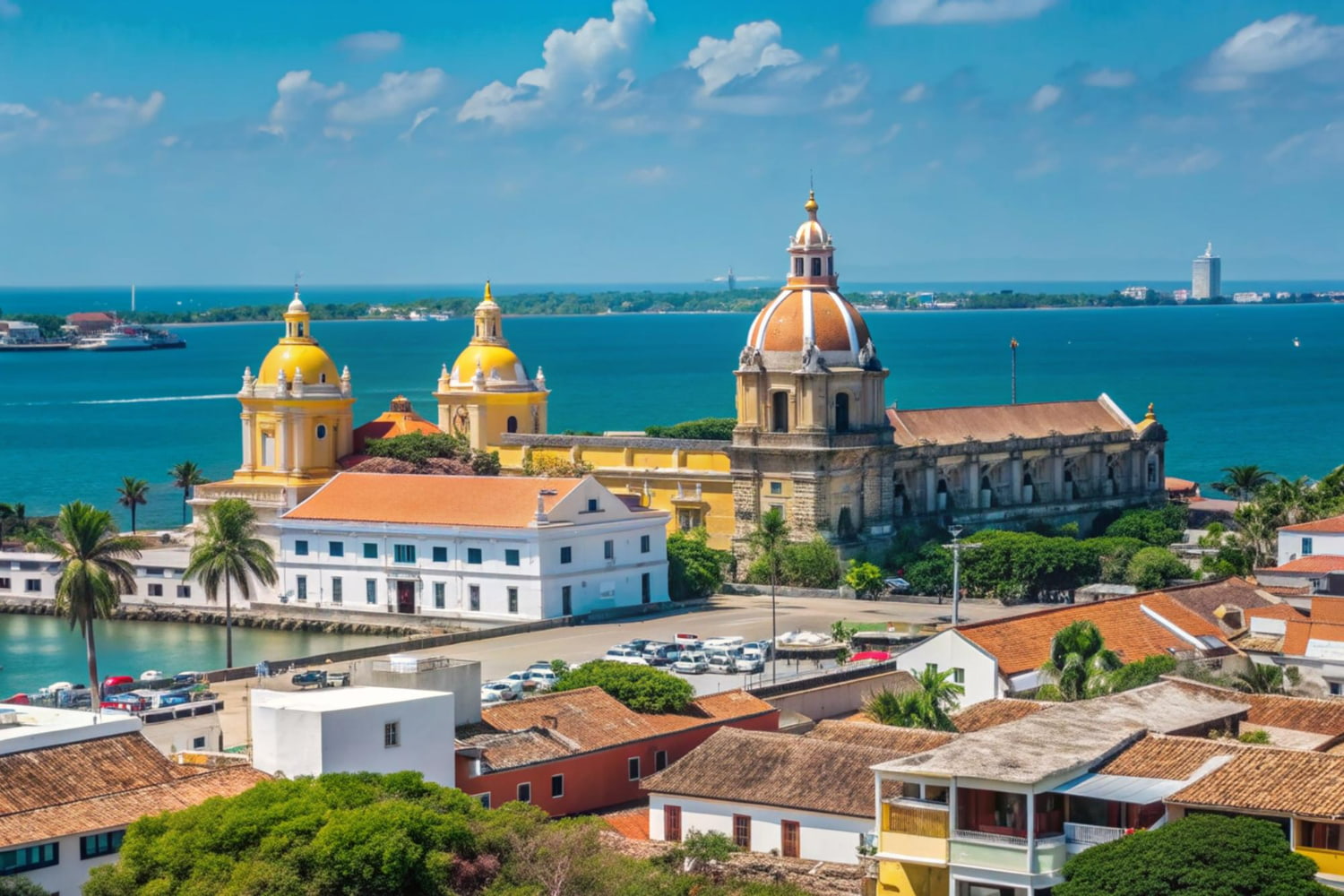
Our next stop is the city’s historic defensive walls. They surround the old town and were once built to protect Cartagena from attacks. Today, you can walk along the walls, look out over the sea, take photos of the city, and imagine the soldiers who stood here centuries ago, watching for approaching ships.

And now, one of the city’s most impressive attractions: Castillo San Felipe de Barajas. This enormous fortress is filled with bastions, tunnels, underground passages, and viewpoints. And the most fascinating part is the tunnel system. It was designed to create a complex network of movement inside the fortress and allowed the defenders to respond quickly to attacks.
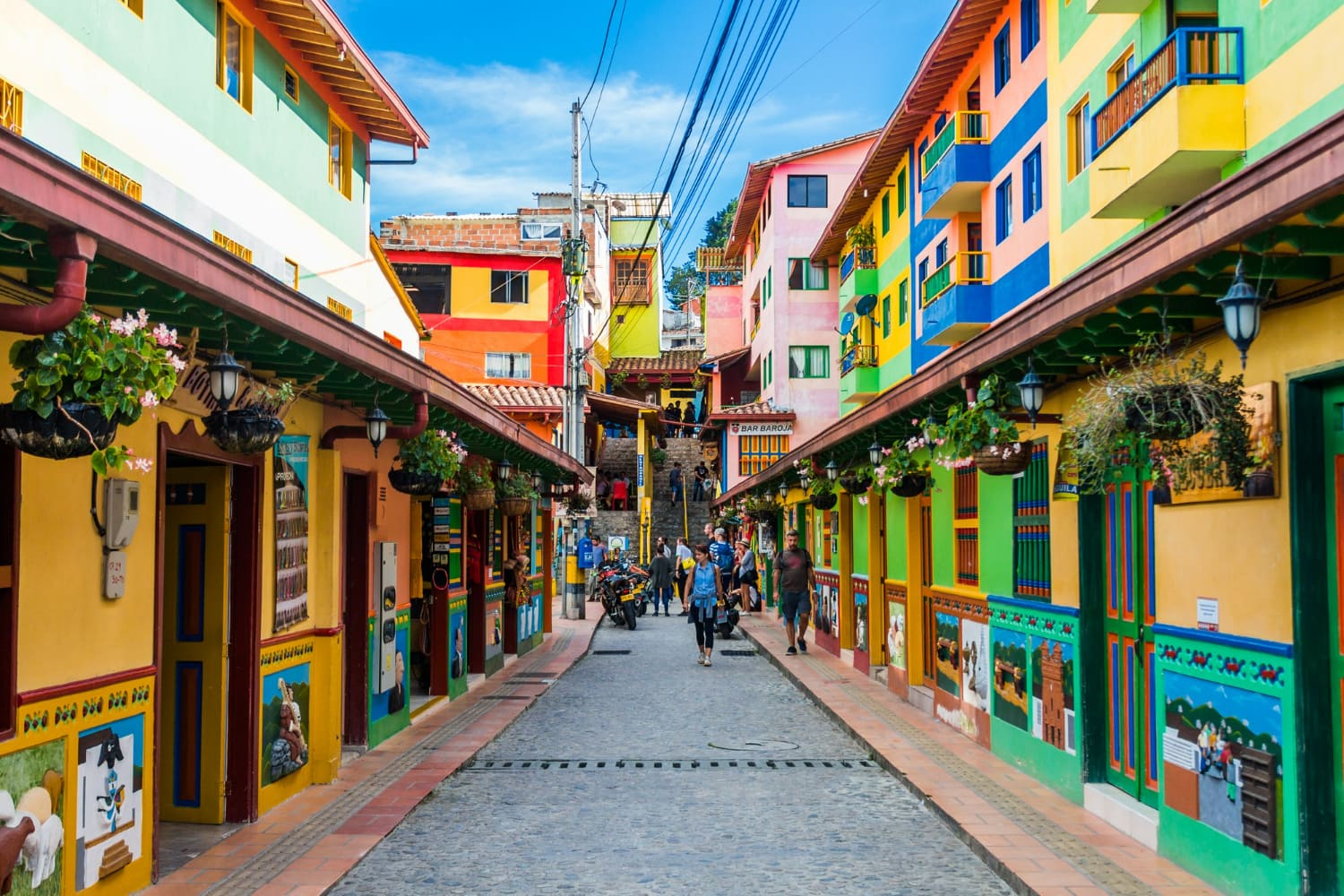
But Cartagena’s history would be incomplete without pirates. During the 16th and 17th centuries, the city was considered a true treasure of the Spanish Empire. Gold and silver passed through its port, making Cartagena a target for repeated attacks. One of the most famous attackers was Sir Francis Drake, who captured the city in 1586 and demanded a ransom.
After our pirate story, we continue to Plaza de Bolívar. Here, you can see lush trees, a monument to Simón Bolívar, historic buildings, and experience the rhythm of the city center. Then we’ll head to Plaza Santo Domingo, known for its lively atmosphere, restaurants, cafés, and the famous sculpture by Fernando Botero.
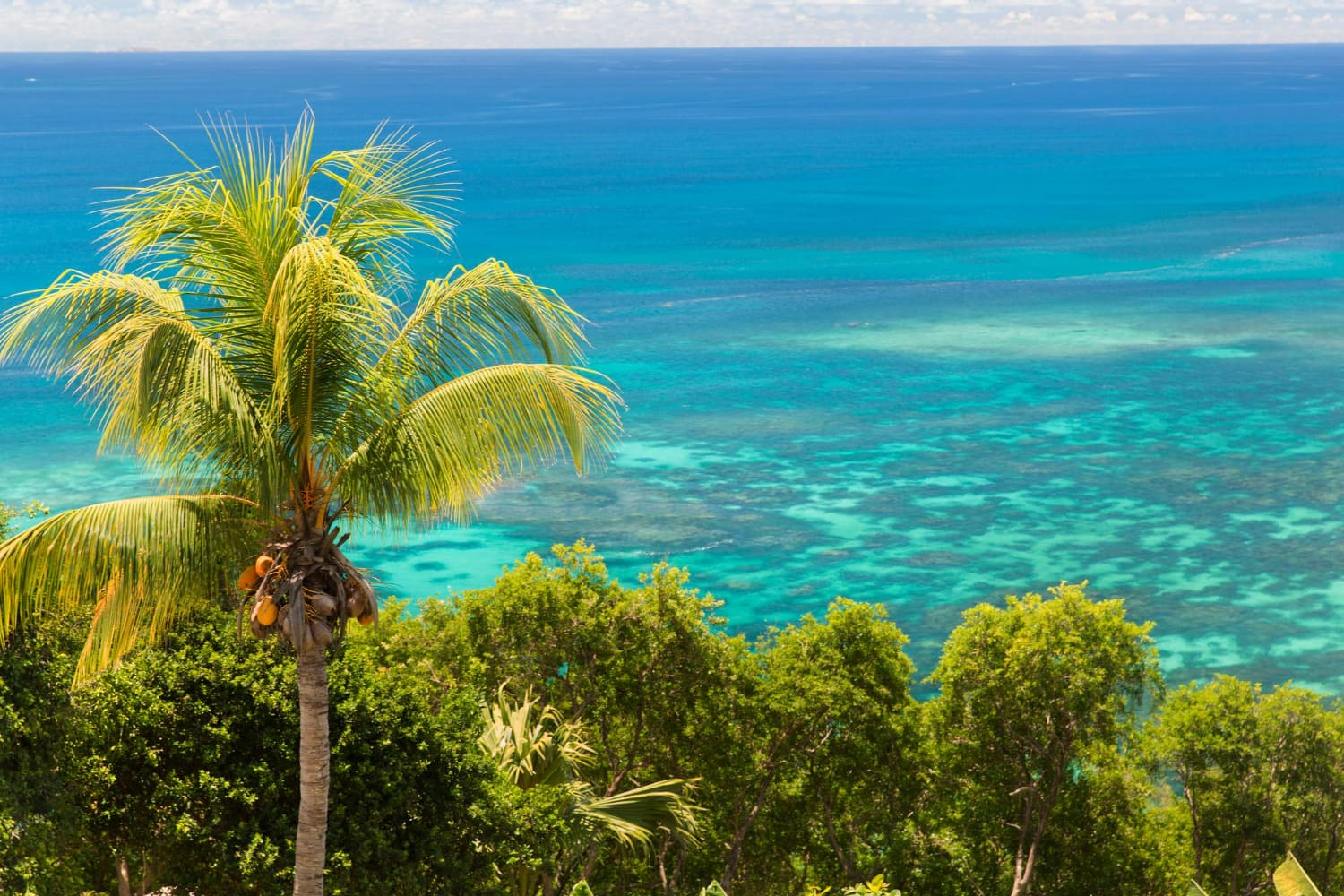
Another important part of Cartagena is its street art. On the walls, you can find colorful graffiti, portraits, animals, and scenes from everyday life. The Getsemaní neighborhood is especially interesting — it’s a place where colonial architecture blends with modern Caribbean culture, music, and nightlife.
And now for the best part: the food. In Cartagena, you should try arepas, empanadas, fresh fish, coconut rice, fried plantains, fresh tropical fruit, and famous Caribbean cocktails. On the streets, you’ll also find vendors selling mangoes, pineapples, coconuts, and other tropical fruits.
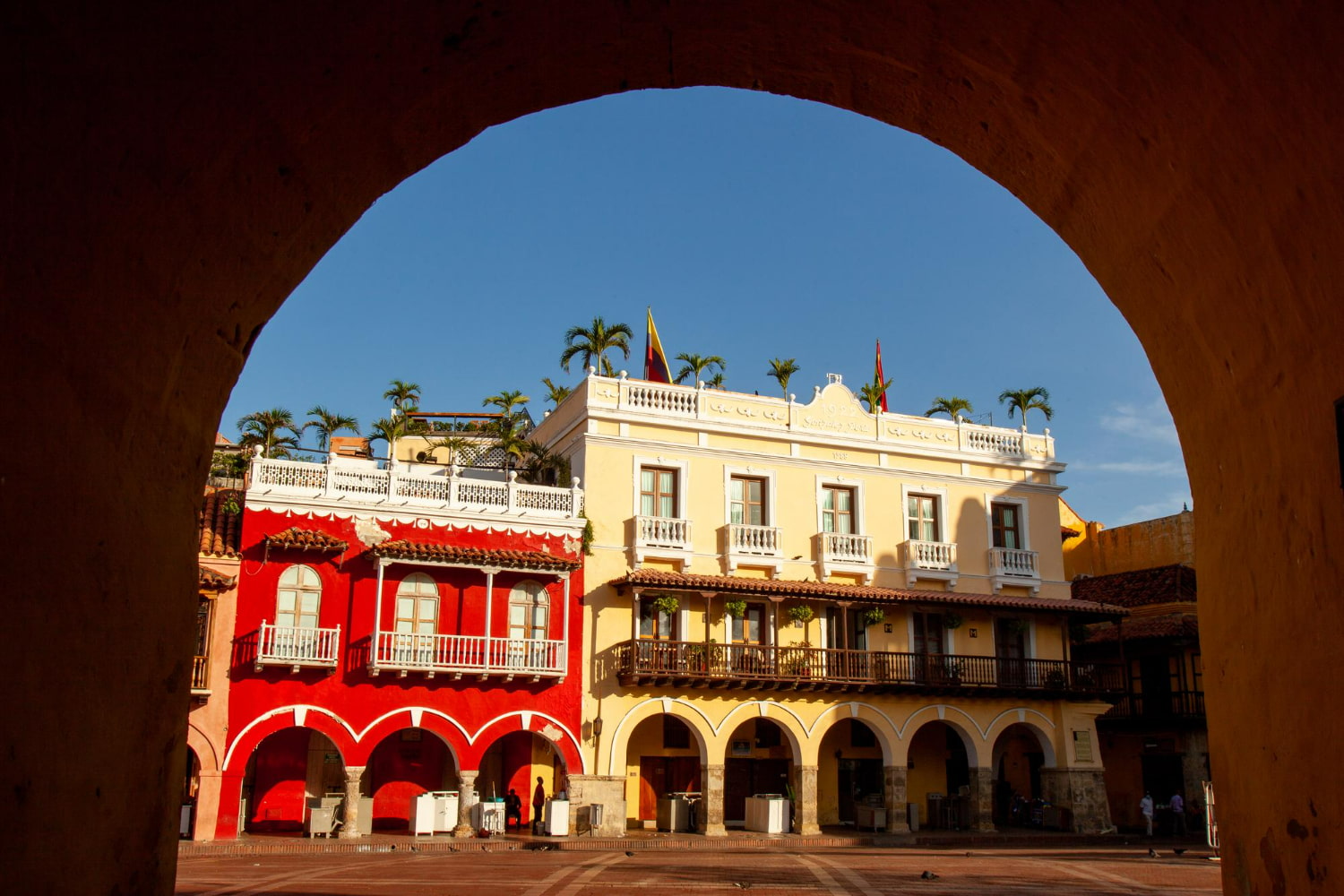
And, of course, you can’t come to Cartagena without experiencing the Caribbean Sea. You can take a boat trip to the Rosario Islands, go snorkeling, explore coral reefs, or simply spend the day relaxing on the beach.
And if you want to see the modern side of the city, head to the Bocagrande district. High-rise buildings, hotels, restaurants, shops, and the waterfront create a completely different image of Cartagena — modern, lively, and tourist-friendly.
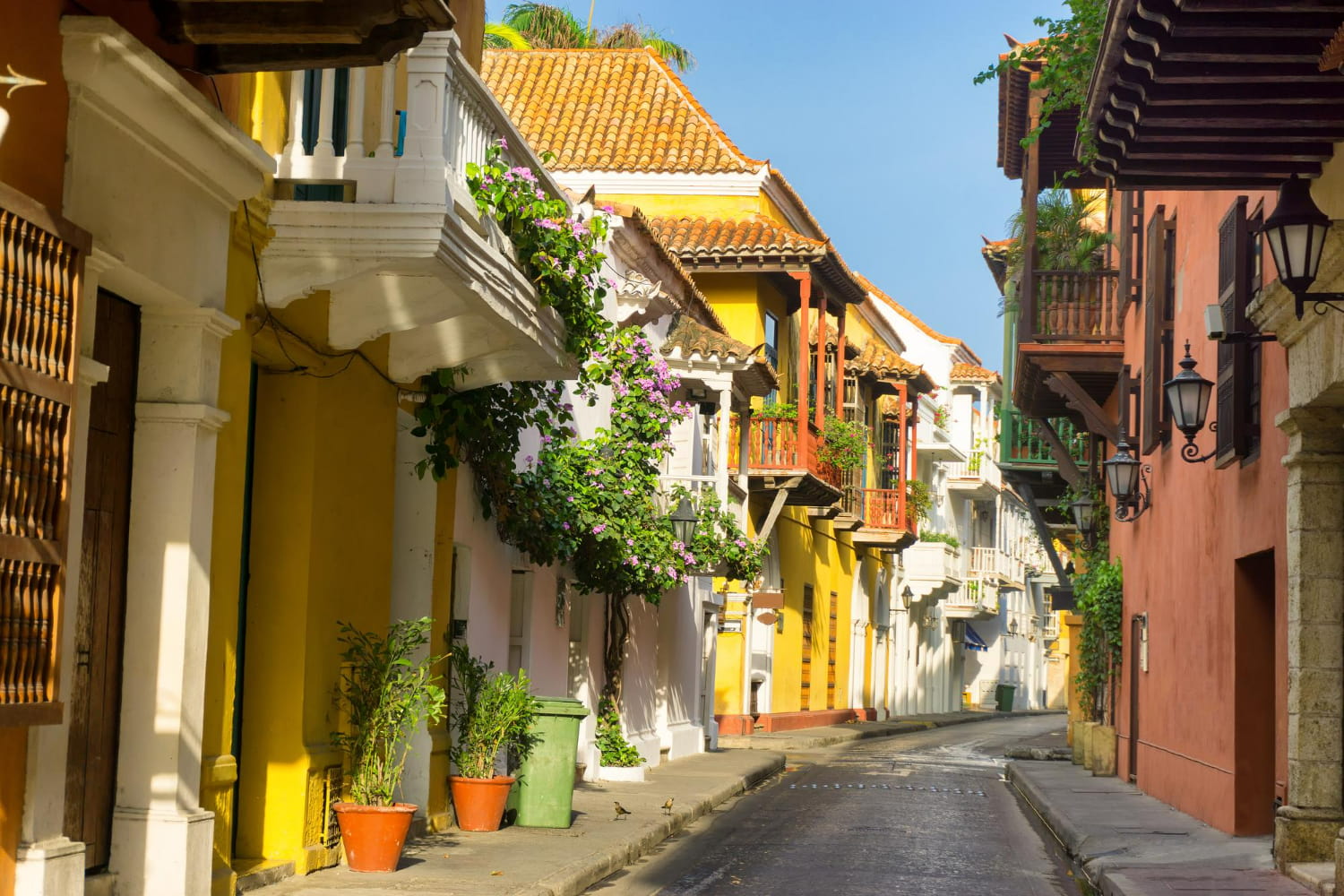
That’s exactly what makes this city so special: history, architecture, fortresses, pirate legends, art, food, music, beaches, islands, and modern life all come together here. Cartagena is not just about one attraction — almost every neighborhood reveals a completely different side of the city.
And if you ask why you should visit Cartagena, the answer is simple: for the Caribbean atmosphere, the history, the colorful streets, the sea, the colonial architecture, and the feeling that you’ve stepped into a real-life adventure.
Read the article: Interesting Trip to the City of Cali, Colombia