


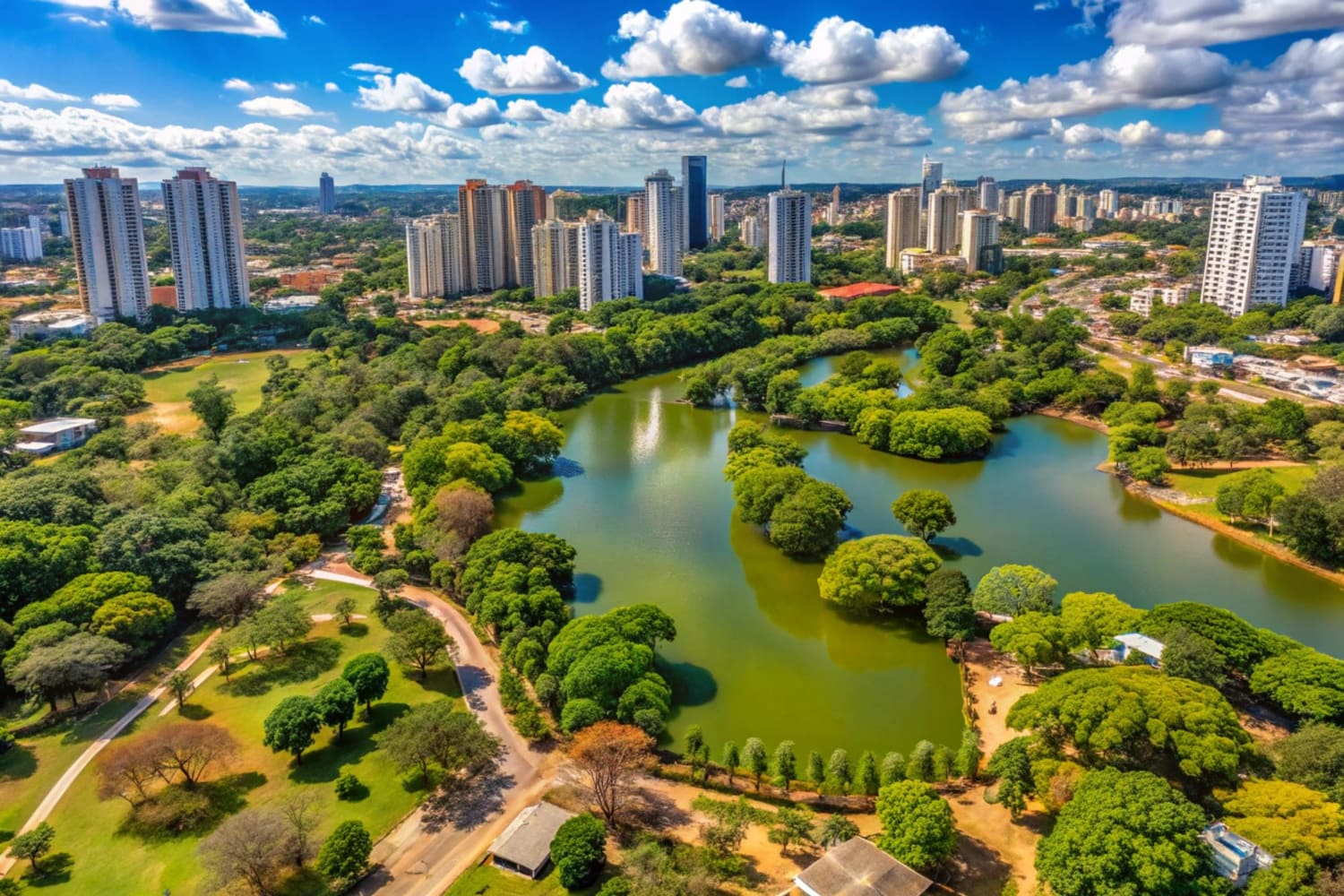
Imagine a city that rose in the middle of the largest tropical rainforest on Earth. Here, magnificent rivers are wider than many seas, opera echoes through the city centre, and just a few kilometres beyond the busy streets, endless jungle begins. Welcome to Manaus — the capital of the Brazilian state of Amazonas and one of the main gateways for exploring the Amazon.
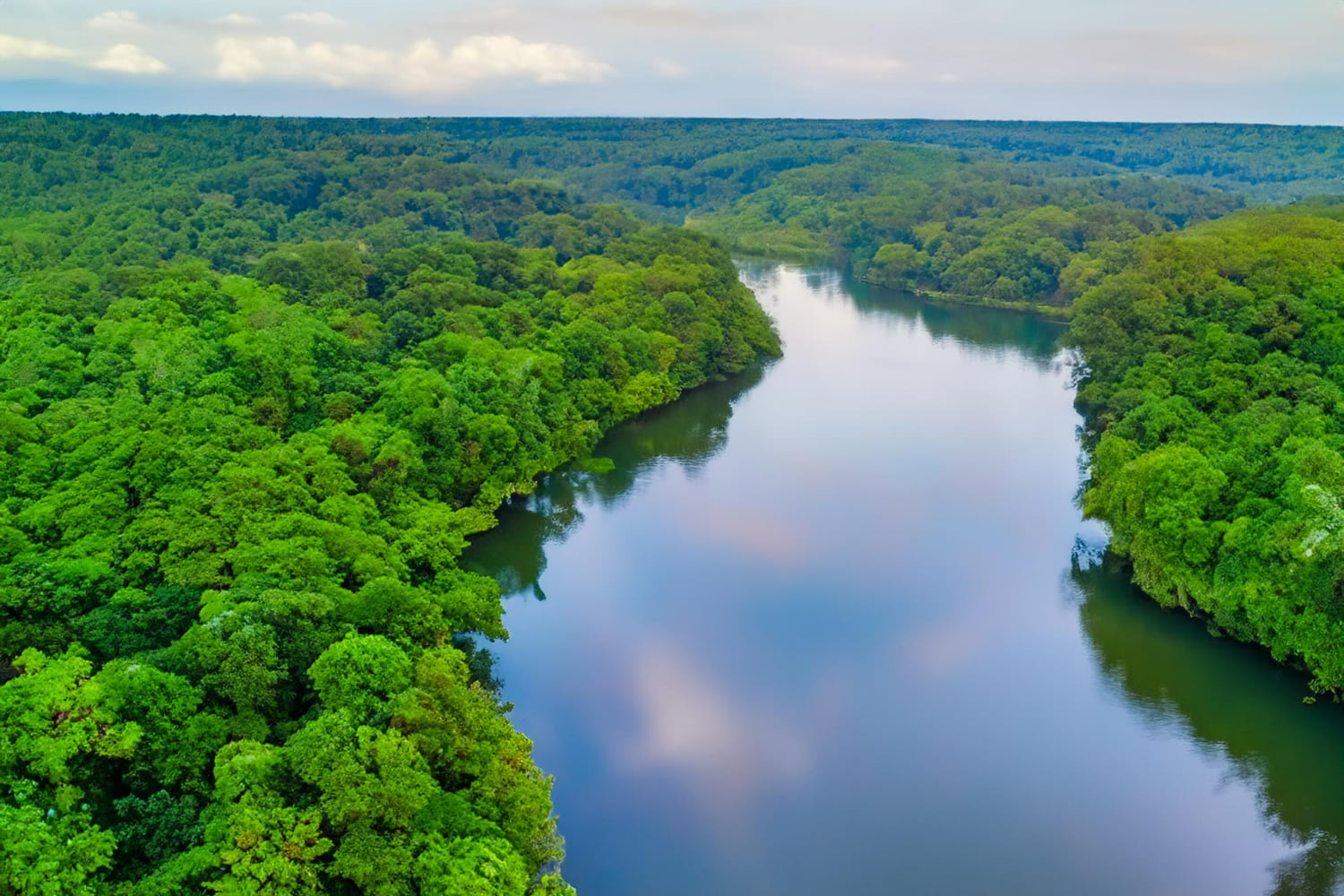
Today, we are travelling to a place where the history of colonial Brazil, Indigenous cultures, and extraordinary nature exist side by side. Manaus lies on the banks of the Rio Negro, in the heart of the Brazilian Amazon. Its strategic location has turned the city into a true “gateway to the Amazon”: from here, travellers set off on river expeditions, explore the rainforest, and discover the region’s unique ecosystem.
The History of the City: It All Began with a Fort
The official history of Manaus began in 1669, when the Portuguese built the Fort of São José da Barra do Rio Negro. Its purpose was to strengthen Portugal’s presence in this strategically important region of the Amazon. A small settlement gradually grew around the fort and, over the centuries, developed into the large modern city we see today.

The name “Manaus” is connected to the Manaó people, who lived in this region before Portuguese colonisation. In 1856, the city officially received its modern name. According to local historical tradition, the name is associated with the meaning “Mother of the Gods.”
Facts That Make Manaus So Special
- Founded in 1669. This was the year the Portuguese fort was built, laying the foundations for the future city.
- The rubber boom changed everything. From the 1870s onwards, Manaus became wealthy through the export of natural rubber. By the end of the nineteenth century, the city was experiencing an extraordinary period of economic growth and prosperity.
- A luxurious opera house was built in the middle of the rainforest. The famous Amazon Theatre (Teatro Amazonas) was constructed during
4. The rubber boom and became a symbol of the city’s wealth and ambition. Construction began in the 1880s, and the theatre officially opened in 1896.
5. A European Belle Époque in the heart of the Amazon. The wealth generated by the rubber trade transformed Manaus. Streets, squares, and public buildings were redesigned according to European architectural styles, creating a remarkable combination of tropical surroundings and European elegance.
6. Rubber brought both prosperity and crisis. After the 1910s, rubber plantations in Asia began to compete successfully with Amazonian rubber. As a result, the economic system that had made Manaus wealthy went into decline.
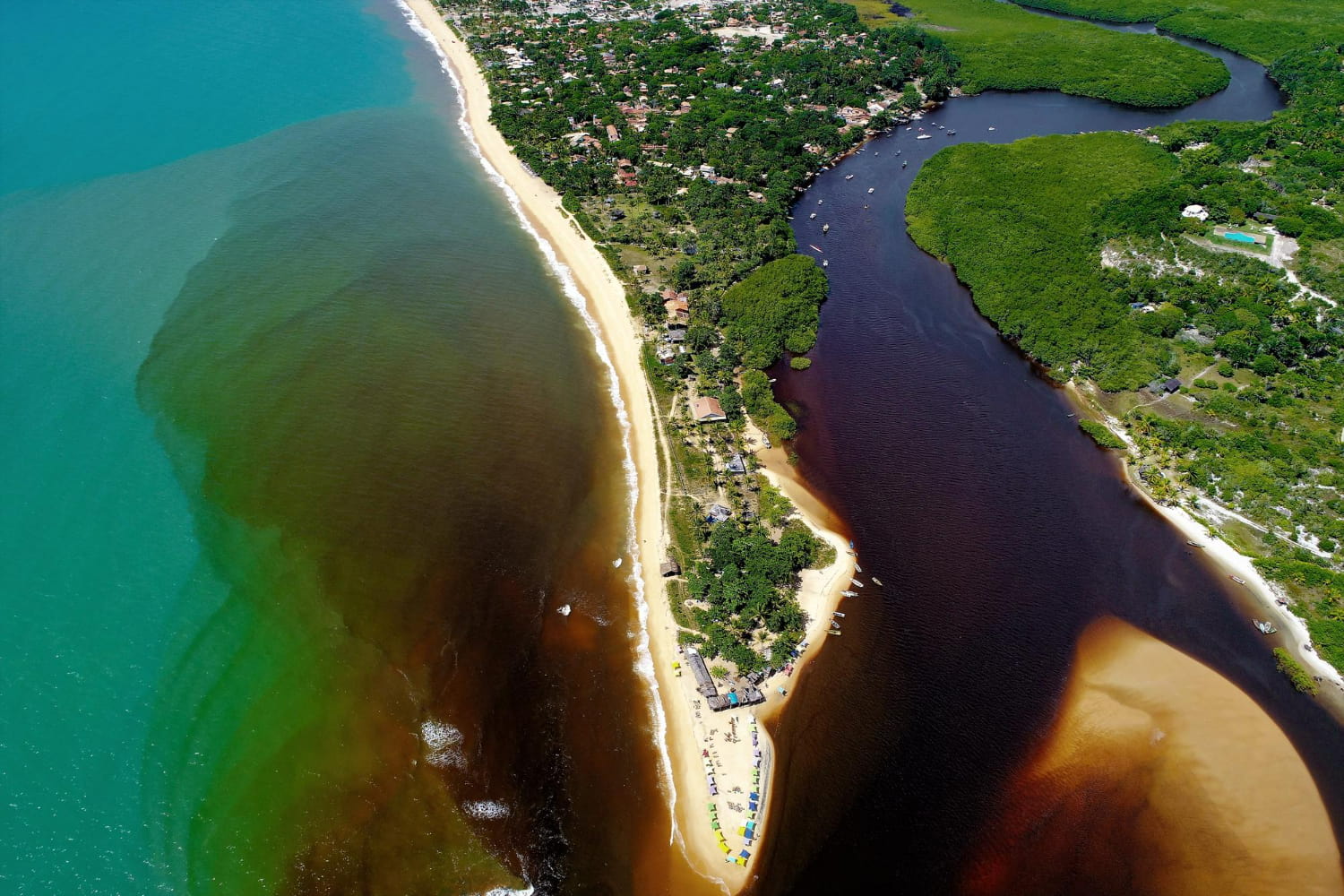
But perhaps the most fascinating thing about Manaus is its contrasts. In the morning, you can walk among historic buildings; during the day, you can witness the famous “Meeting of the Waters,” where the dark waters of the Rio Negro meet the lighter waters of the Solimões River; and in the evening, you can find yourself inside an opera house that feels as though it has been transported directly from Europe.
Manaus is much more than just a stop before a journey into the rainforest. It is a city that tells the story of the Amazon itself: a story of rivers, Indigenous peoples, colonisation, incredible wealth, and humanity’s relationship with one of the most powerful natural environments on Earth.
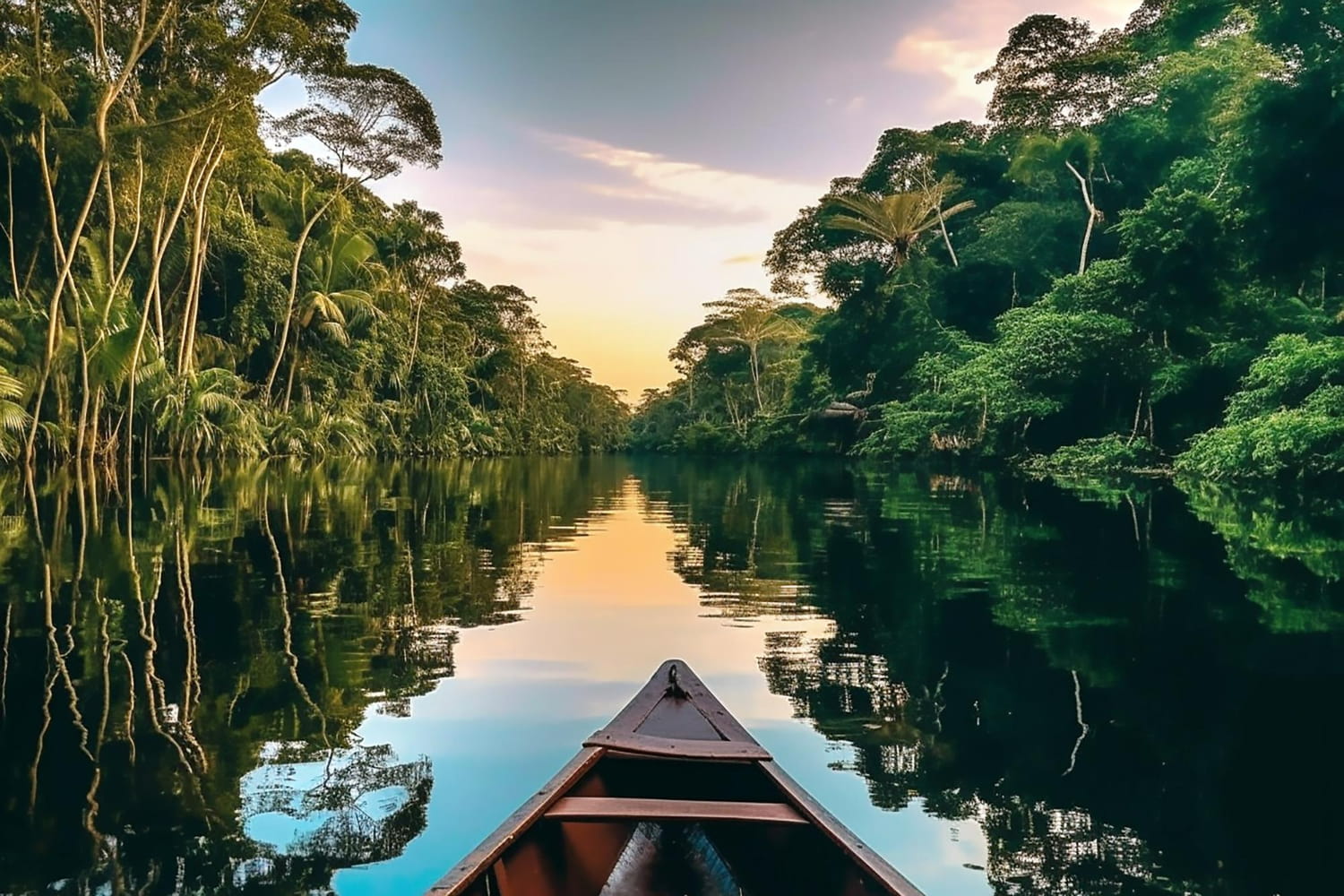
And perhaps it is here that you truly understand one simple idea: the Amazon is not just a forest. It is an entire world — and Manaus is its extraordinary capital of adventure.
Read the article: Travel to the City of Salvador, Brazil