


There are cities you want to photograph. And then there are cities you want to… taste.
Bologna is exactly that kind of city.
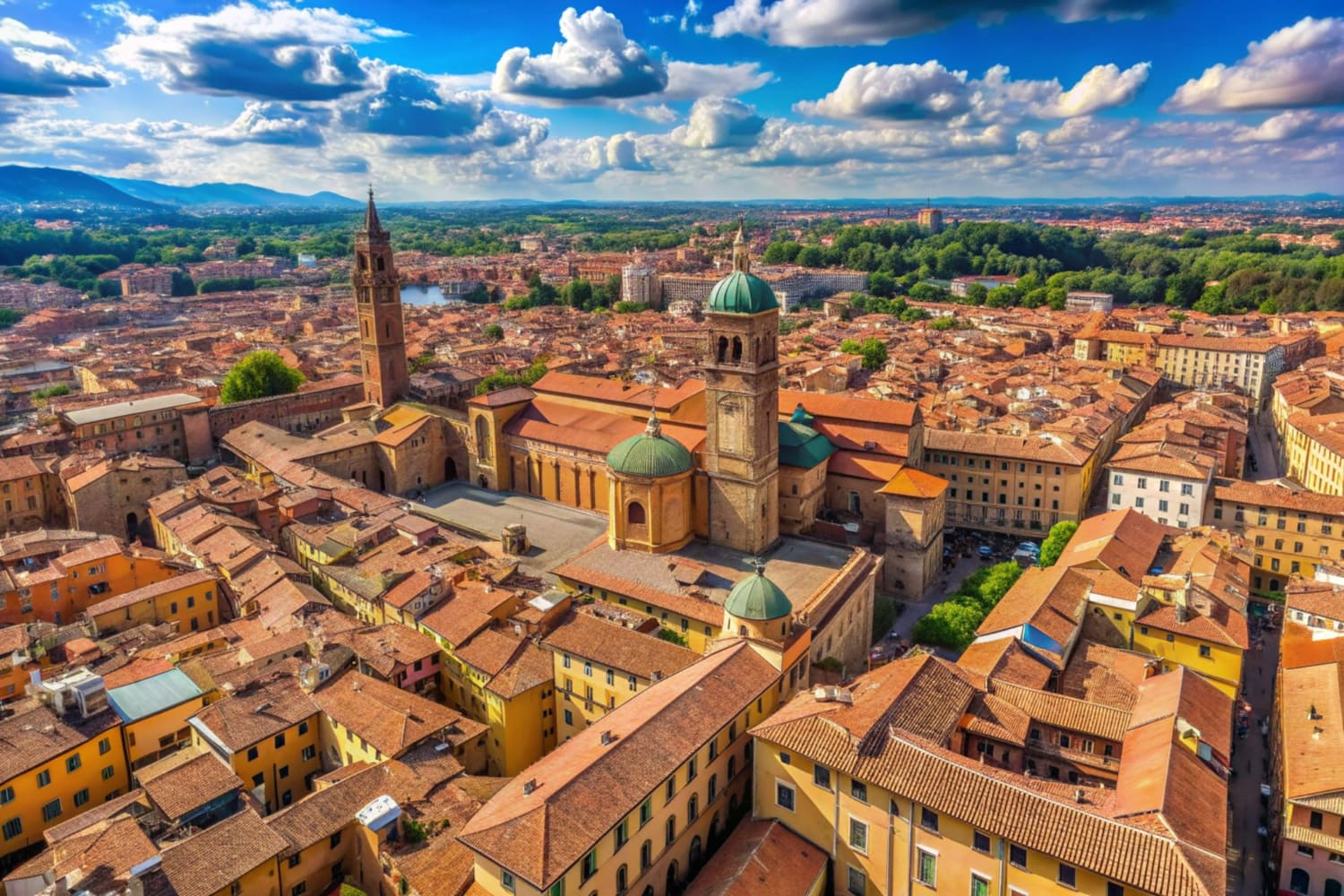
From the very first glance, it welcomes you with red, terracotta and ochre facades, medieval towers and endless arcades. But the real magic begins when you stop simply looking around and start noticing how the city itself lives.

So, let’s take a walk.
The first thing you can’t miss in Bologna is its porticoes. They are everywhere. Together, they stretch for around 62 kilometers, and in 2021, twelve of the city’s most significant portico sections were added to the UNESCO World Heritage List.
And this is where the story gets interesting.
Centuries ago, Bologna was growing rapidly. More and more students and professors were arriving, but there simply wasn’t enough space inside the city. So buildings began expanding upward, while the space underneath was left open for people to walk through.
In 1288, the city authorities even introduced regulations governing the construction of porticoes.
So what looks today like stunning architecture was, in many ways, a clever urban solution.
Now imagine this: you’re walking beneath the arches, surrounded by centuries-old buildings. Red walls on every side. A tiny piazza suddenly opens up in front of you. And somewhere nearby, the smell of fresh pasta is coming from a traditional trattoria.
And that brings us to one of the biggest reasons Bologna is known as “La Grassa” — the Fat One.
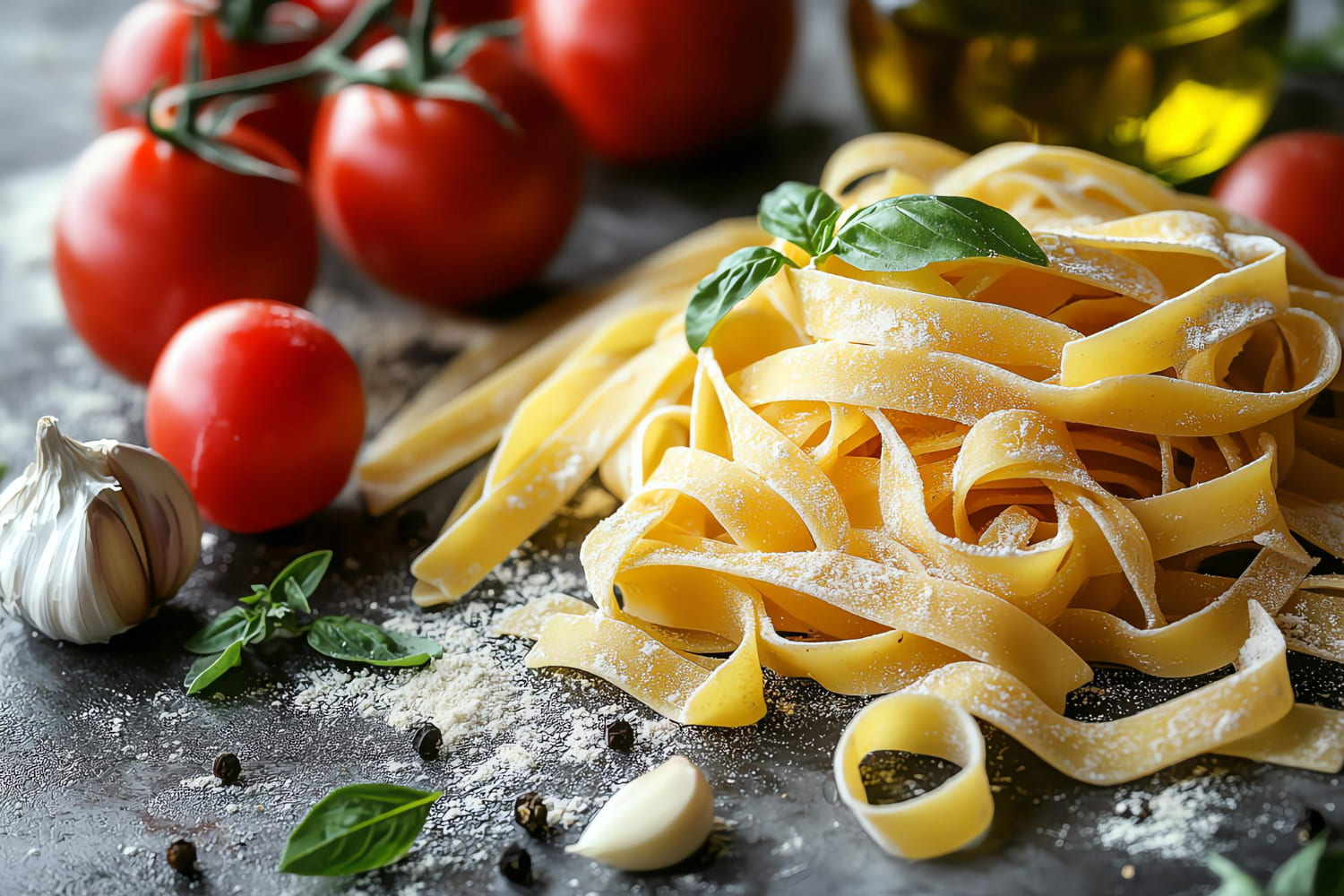
Food here is serious business.
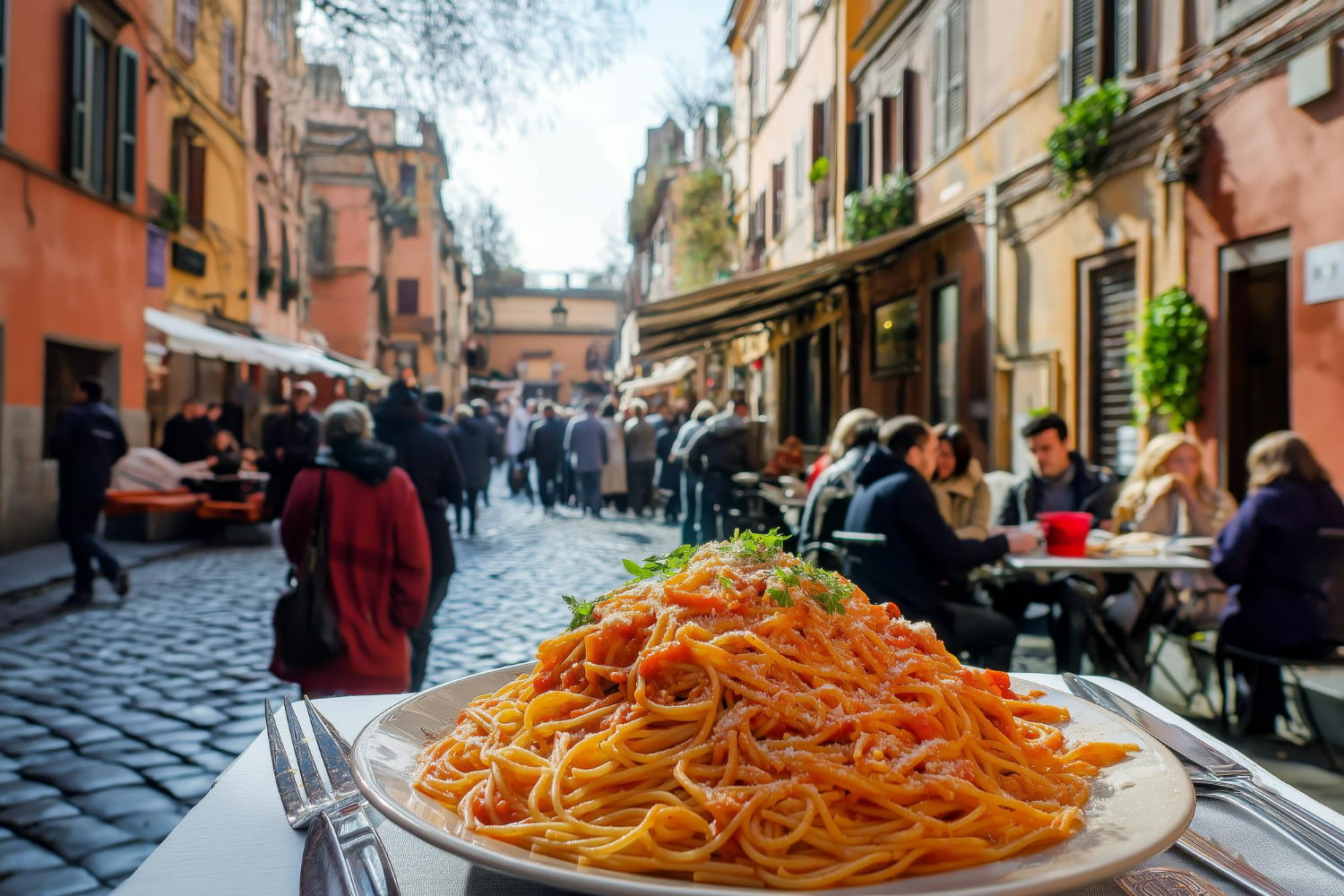
Bologna is famous for dishes that have become icons of Italian cuisine: tortellini, lasagna, mortadella and tagliatelle al ragù.
But here’s a little spoiler: authentic Bolognese ragù isn’t quite the same as the “spaghetti Bolognese” many people know around the world.
In Bologna, ragù is traditionally served with wide, fresh egg pasta — tagliatelle.
And this is one of those places where food isn’t just food.
It’s part of the city’s history, identity and everyday life.
But Bologna isn’t only about food.
In 1088, the University of Bologna was founded — traditionally considered the oldest university in the Western world. For centuries, students, scholars and travelers have filled the city with energy and curiosity.
And you can still feel it today.
That’s what makes Bologna so special: it somehow feels ancient and young at the same time.
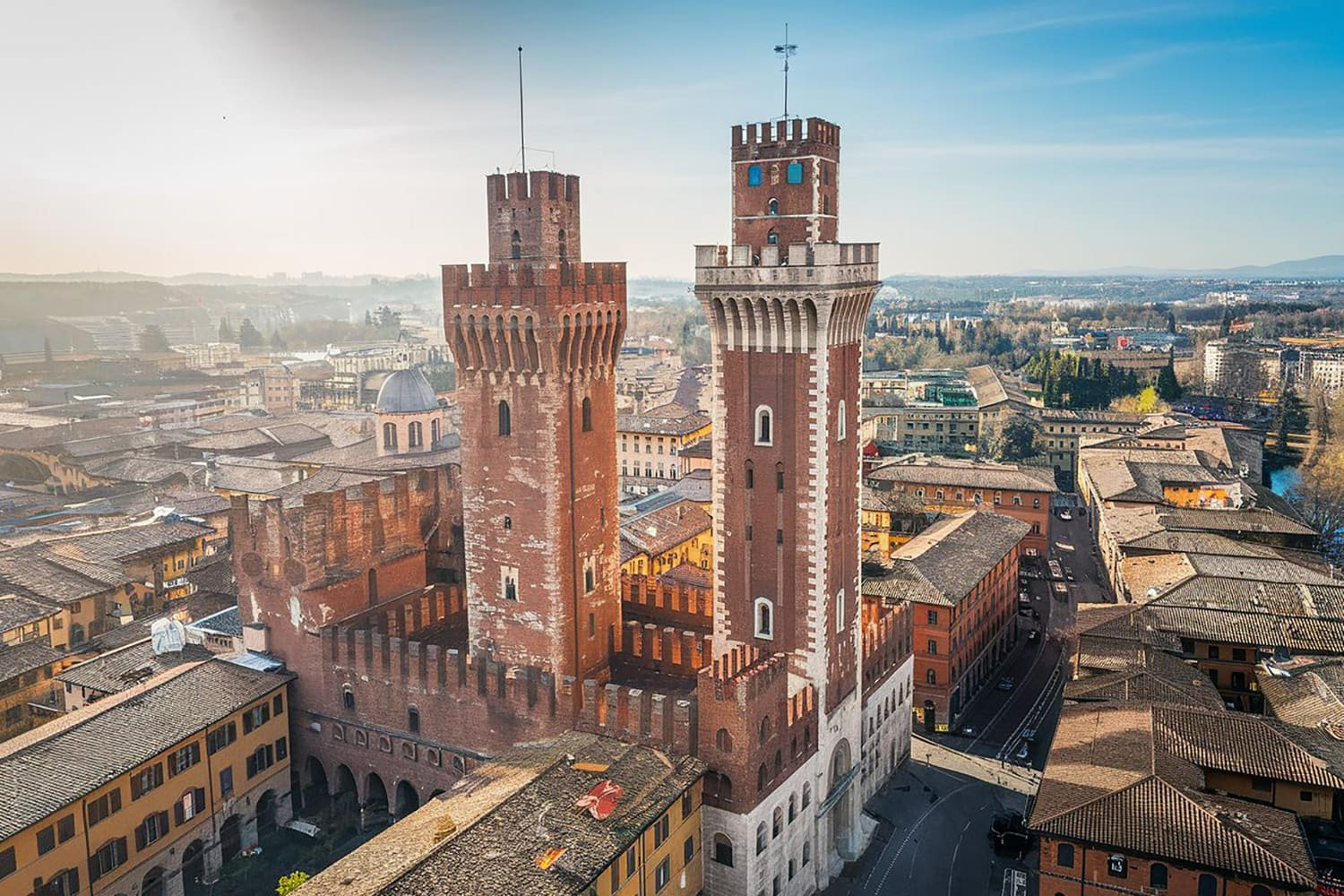
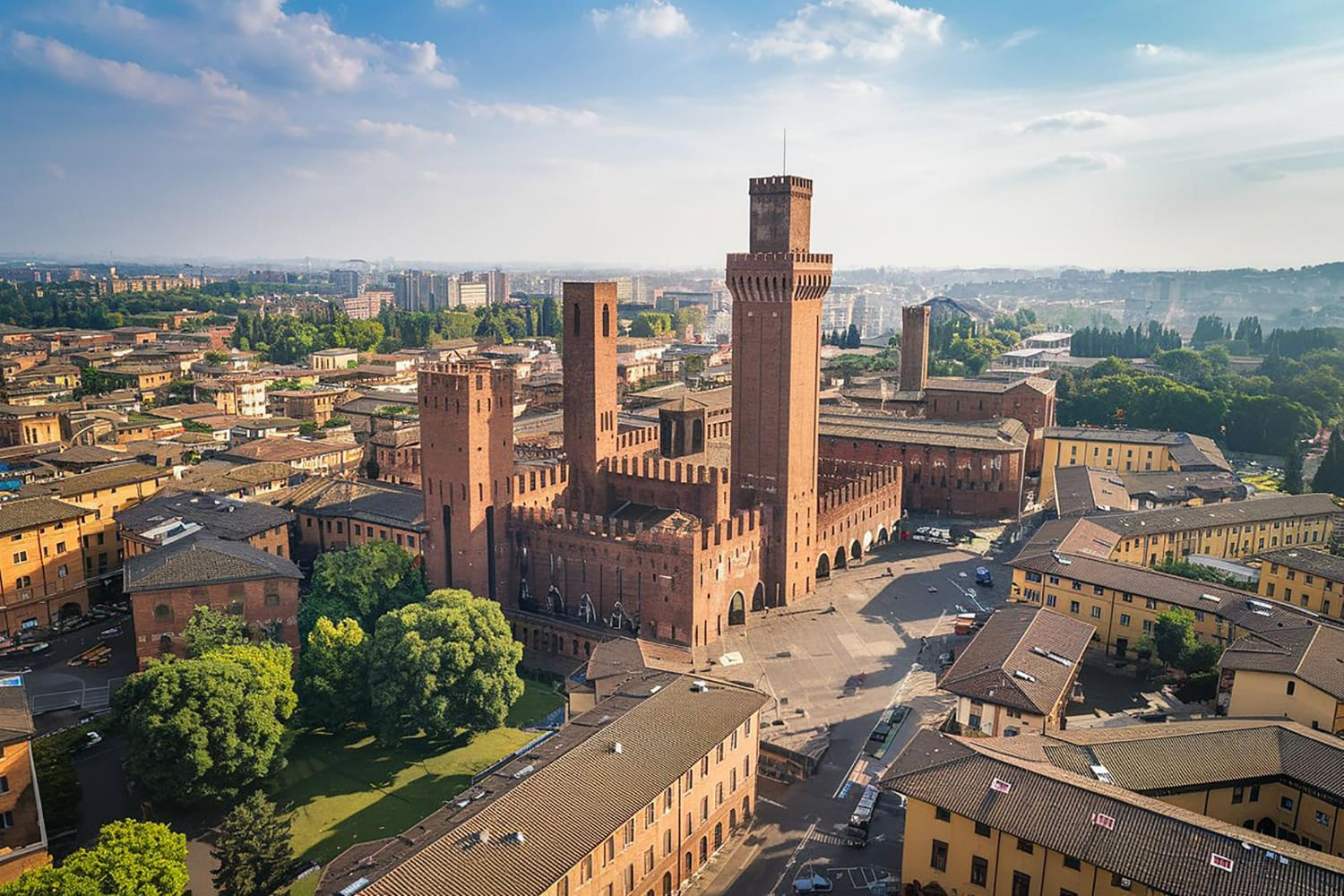
Then you reach Piazza Maggiore, look up, and there they are — the famous medieval towers.
The Two Towers, Asinelli and Garisenda, have become some of Bologna’s most recognizable landmarks.
But perhaps the perfect way to end your walk is to follow the porticoes towards the Sanctuary of San Luca.
The route takes you along Bologna’s longest portico: 3,796 meters and 666 arches.
And as you walk beneath them, with fewer tourists around and the city slowly disappearing behind you, you start to realize something simple.
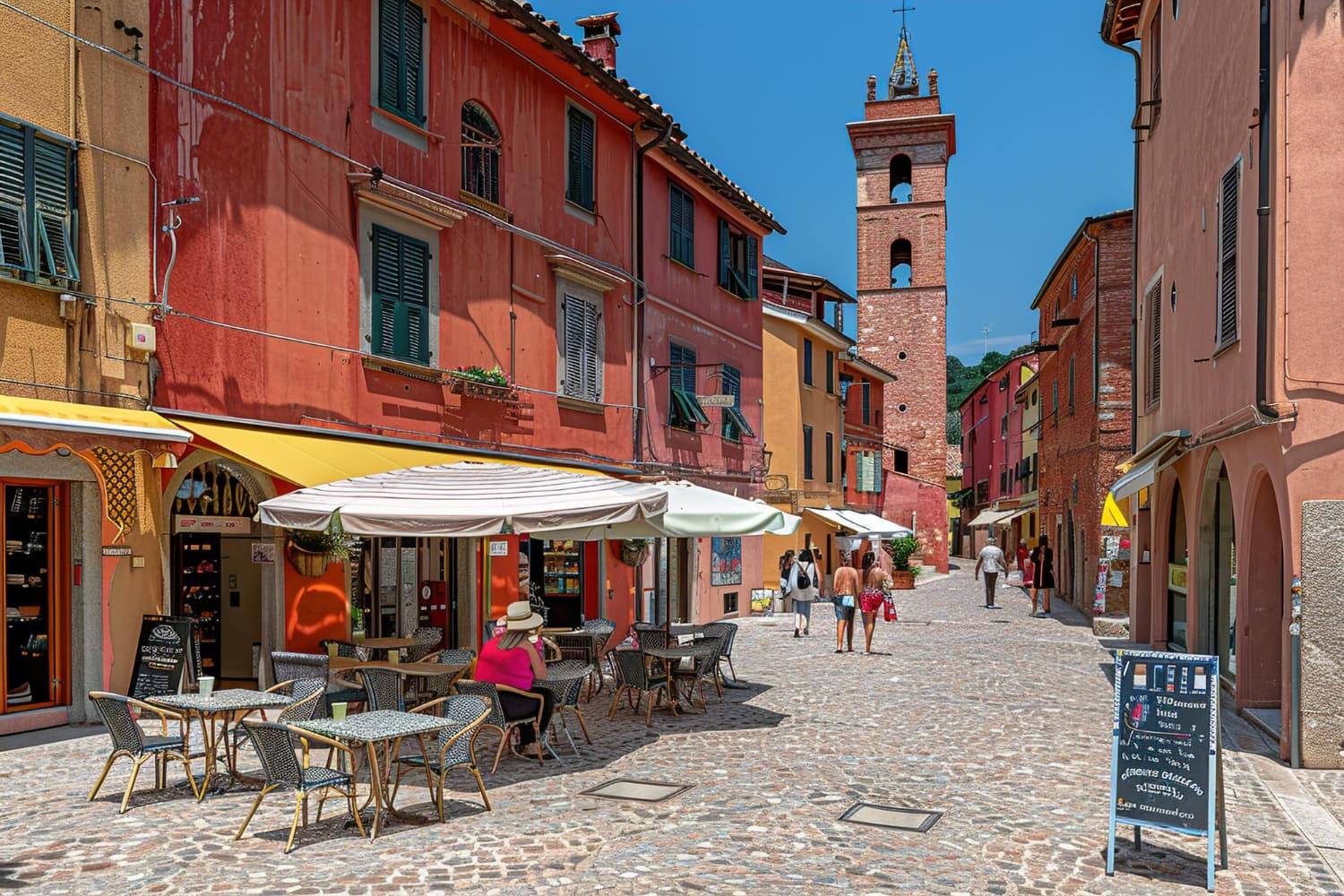
Bologna isn’t trying to impress you.
It simply invites you to live here for a day.
To walk beneath its porticoes, eat a plate of pasta, have a coffee, argue about which Italian city is the most beautiful, and get lost once again among its red streets.
And maybe that’s exactly why Bologna is so hard to leave.
Read the article: Travel to the City of Naples, Italy