


Cappadocia is one of those places that seems unreal even before you arrive. You see pictures of hundreds of hot-air balloons floating across a golden sky, unusual rock formations that look like they belong on another planet, and cave houses carved directly into the stone. But once you are here, you realize that no photograph can truly capture the atmosphere of this place.
Our journey begins in Göreme, a small town in the heart of Cappadocia. And there is one important thing to know: Cappadocia is not a city. It is a vast historical region in central Turkey, while Göreme is one of the most famous and beautiful places from which to explore this extraordinary landscape.
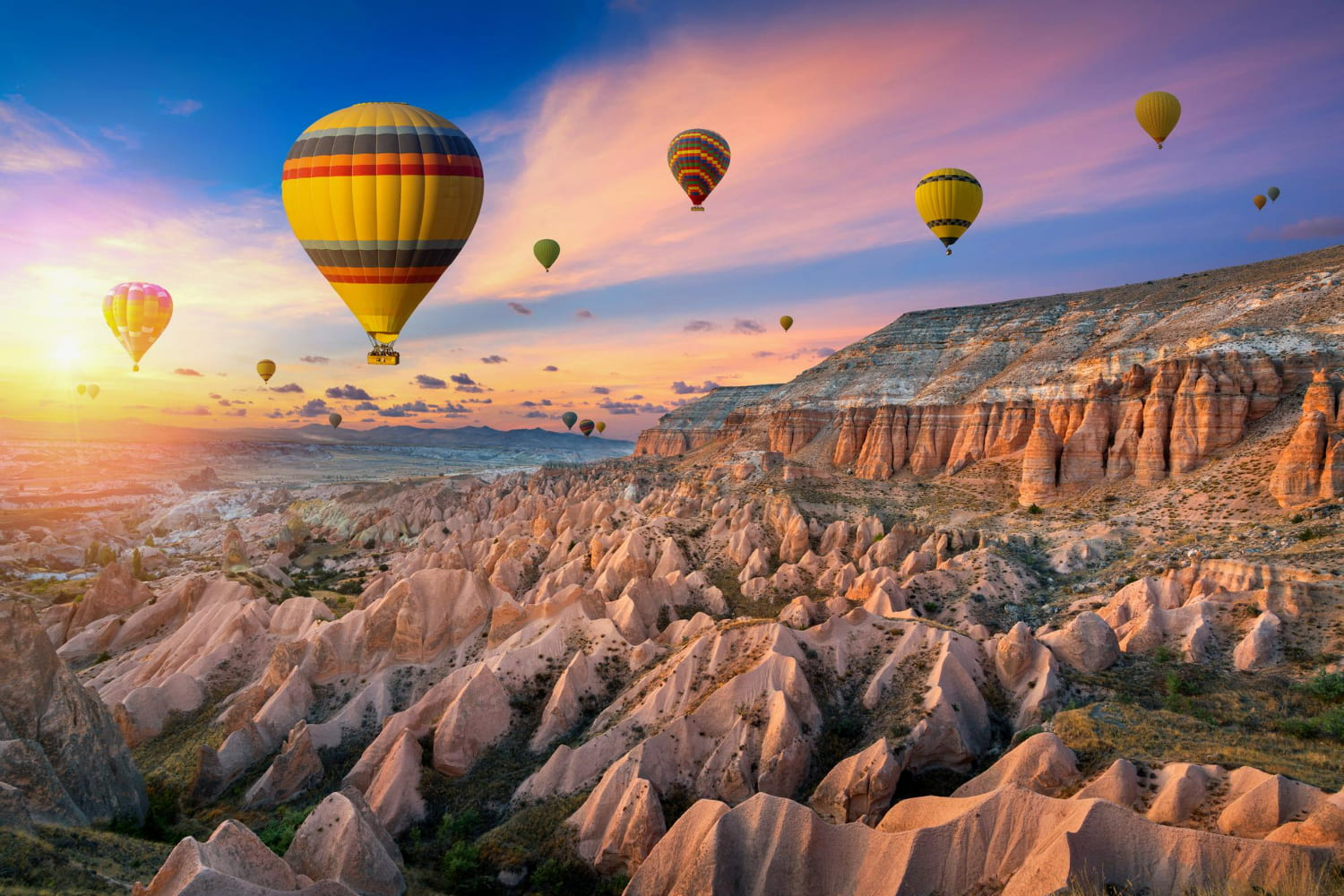
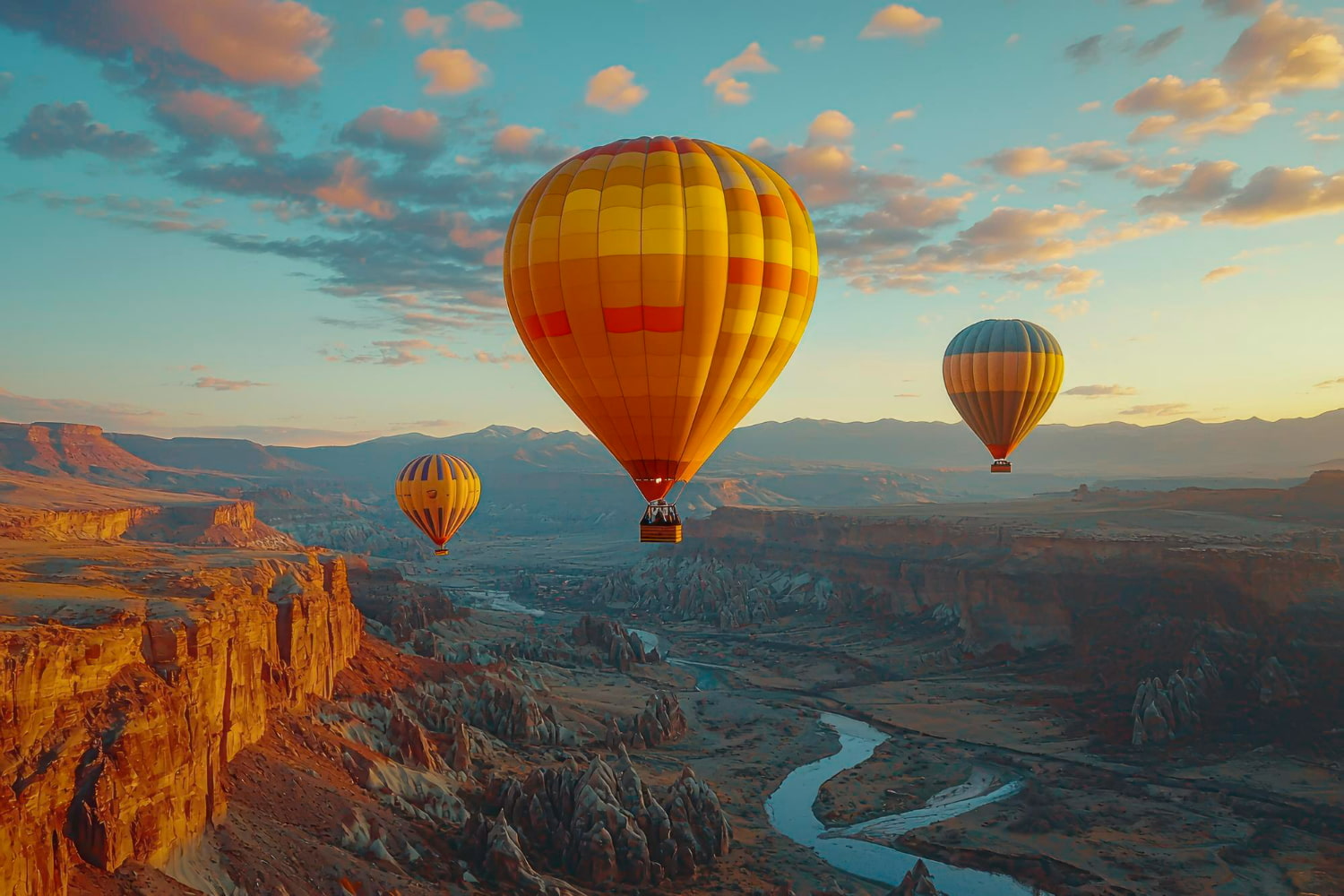
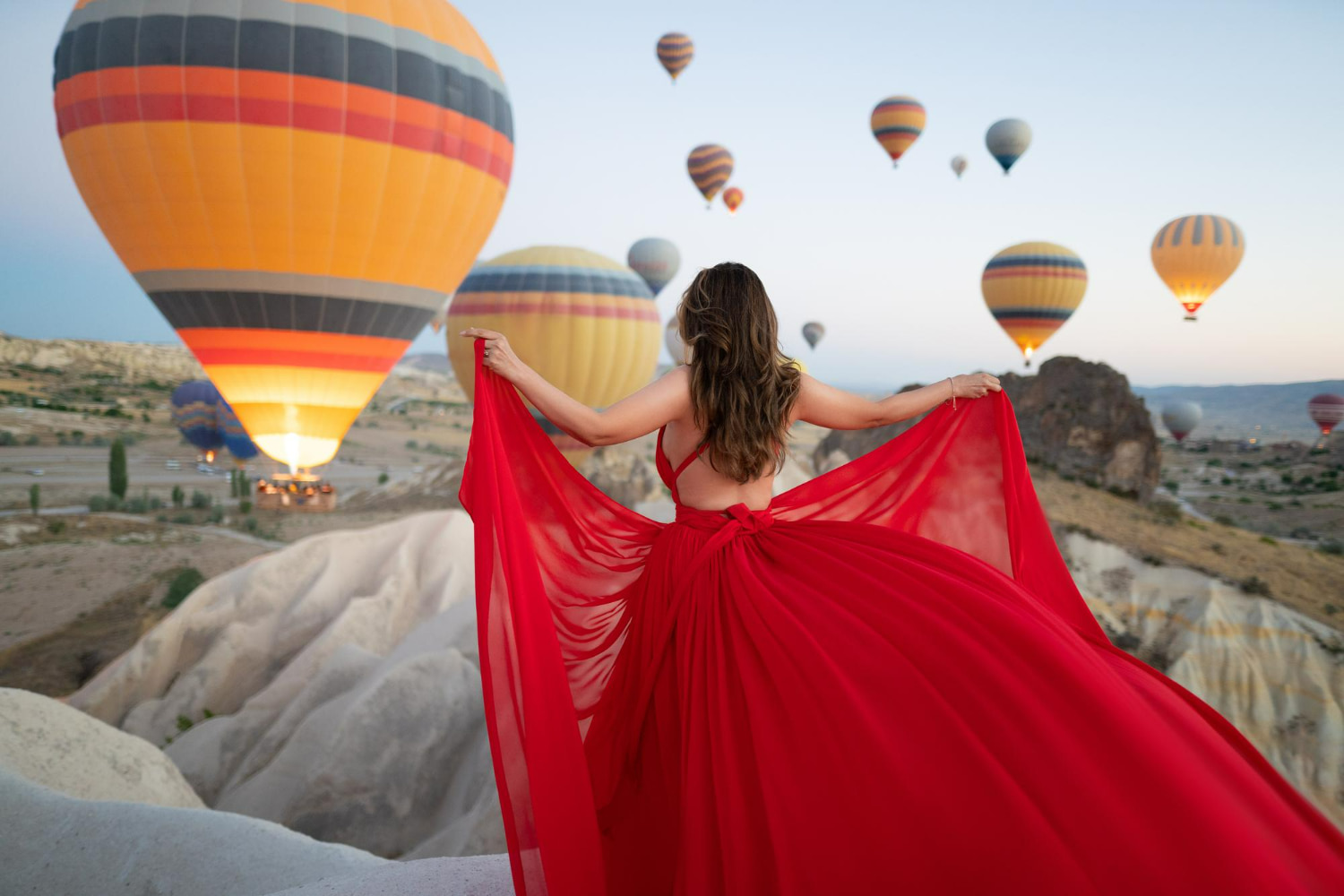
The most magical time here is early morning. While the town is still asleep, the valleys begin to come alive. Huge hot-air balloons are slowly filled with hot air, and then, one by one, they rise into the sky. First there are only a few, then dozens, until it feels as though the entire sky has come to life.

As the first rays of sunlight appear, Cappadocia transforms. The rocks turn golden, the valleys fill with soft light, and colorful balloons slowly drift above the breathtaking landscape. It is in moments like these that you understand why travelers from all over the world come here.
But Cappadocia is much more than its famous hot-air balloons.
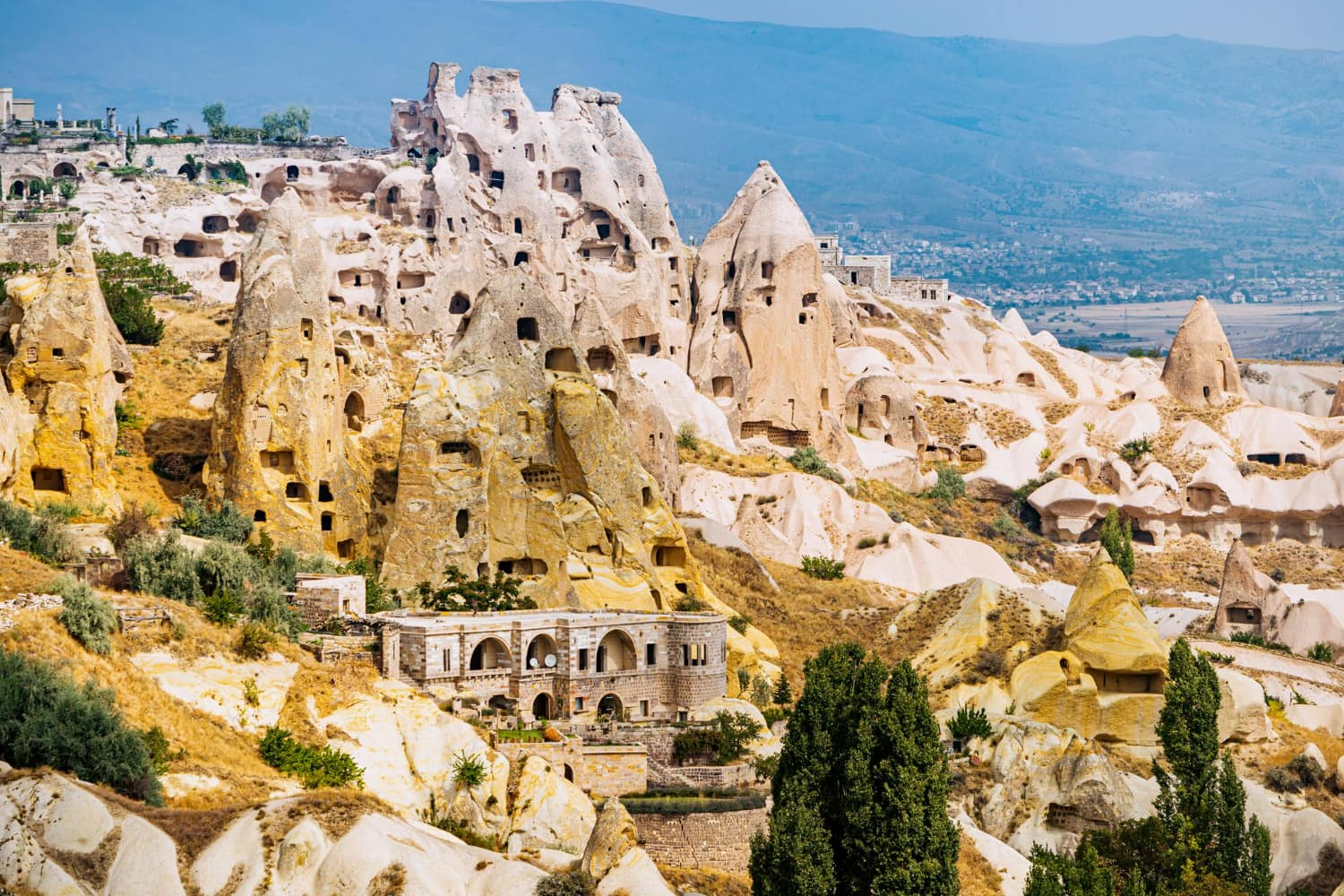
Look around. These unusual rock formations are known as “fairy chimneys.” They were created by nature millions of years ago. Powerful volcanic eruptions once covered the region with layers of volcanic ash. Over time, wind and water slowly shaped this soft rock. For thousands and even millions of years, nature created these extraordinary towers, pillars, and cliffs in all kinds of fascinating shapes.
But the most remarkable part of the story began when people decided to make this unusual landscape their home.
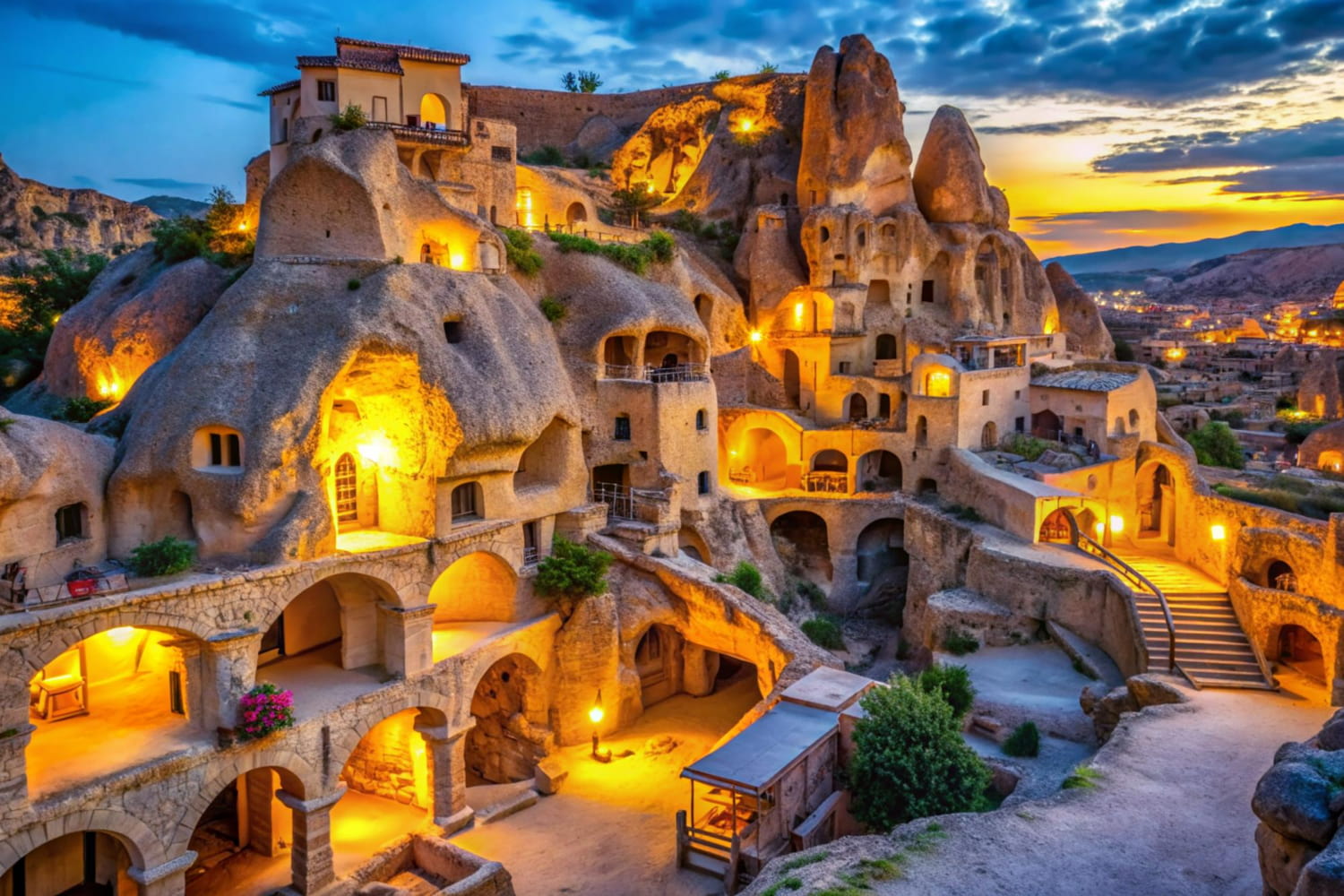
Because the volcanic rock was relatively soft and easy to carve, people created homes, rooms, churches, and monasteries directly inside the cliffs. Even today, as you walk through Cappadocia, you can see windows and doorways carved into the rock. It is hard to imagine that ordinary life once took place behind these ancient stone walls.
Another mystery of Cappadocia lies deep underground. The region is home to famous underground cities, including Derinkuyu, one of the largest and best-known. In ancient times, people created complex underground spaces where they could take shelter during times of danger. These cities included rooms, storage areas, ventilation shafts, and long tunnels. It was almost an entire world hidden beneath the surface.
Cappadocia also has an incredibly rich history. Different civilizations passed through the region, and each one left its mark. Cappadocia played an especially important role in the history of early Christianity. Churches and monasteries were carved into the rocks, and many of them have survived to this day.
That is why Cappadocia is a place where history can literally be found at every step. You don’t have to imagine the past while reading about it in a book. You can walk into an ancient cave church, explore a narrow stone tunnel, or see a home carved directly into the rock.
But for me, Cappadocia is above all about a feeling.
It is the feeling of stepping into a world where time seems to move a little differently. A place where you want to spend less time looking at your phone and more time looking around. A place where you want to wake up for sunrise, look up at the sky, and simply watch the hot-air balloons slowly disappear into the distance.
Cappadocia reminds us just how incredible our planet can be. Millions of years of nature, thousands of years of history, and countless human stories carved into stone — all existing in one extraordinary place.
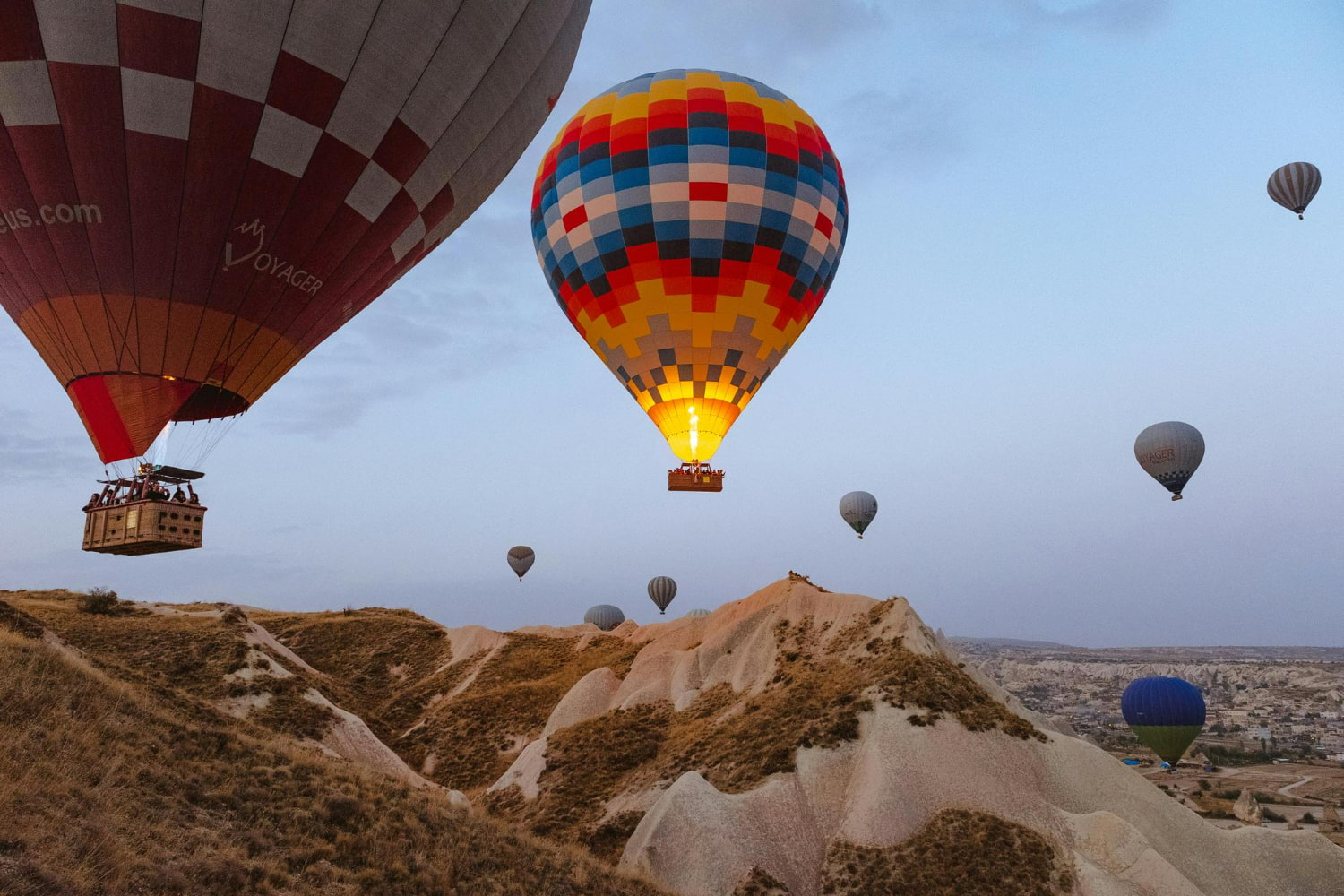
And when the last hot-air balloon rises above the valley in the morning, it feels as though Cappadocia is quietly telling you: the most beautiful stories don’t always have to be invented. Sometimes, you simply have to travel to a place where the land itself has already become a legend.