


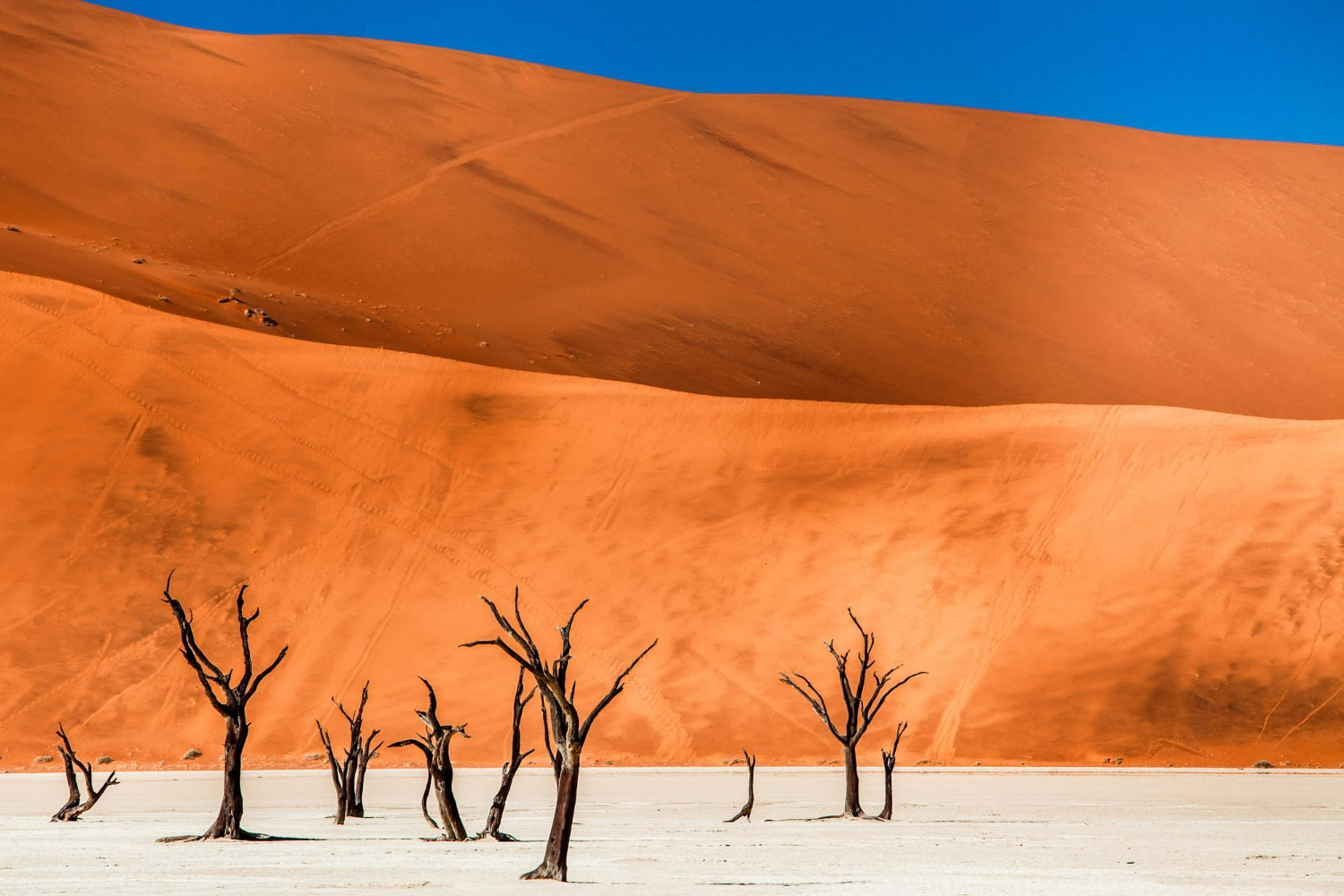
Some cities amaze you with their architecture. Others leave an impression simply because of where they are located. Namibe, also known as Moçâmedes, in southwestern Angola, is one of those places. Here, the Atlantic Ocean seems to meet the desert, while just beyond the city begins one of Africa’s most extraordinary natural regions.
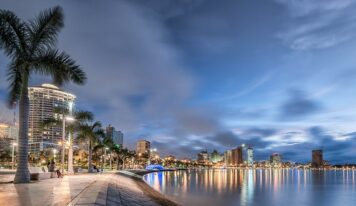
Namibe is the capital of Angola’s Namibe Province and an important port and fishing center. The city lies along the cold Benguela Current, which makes the climate much milder than you might expect from a desert region.
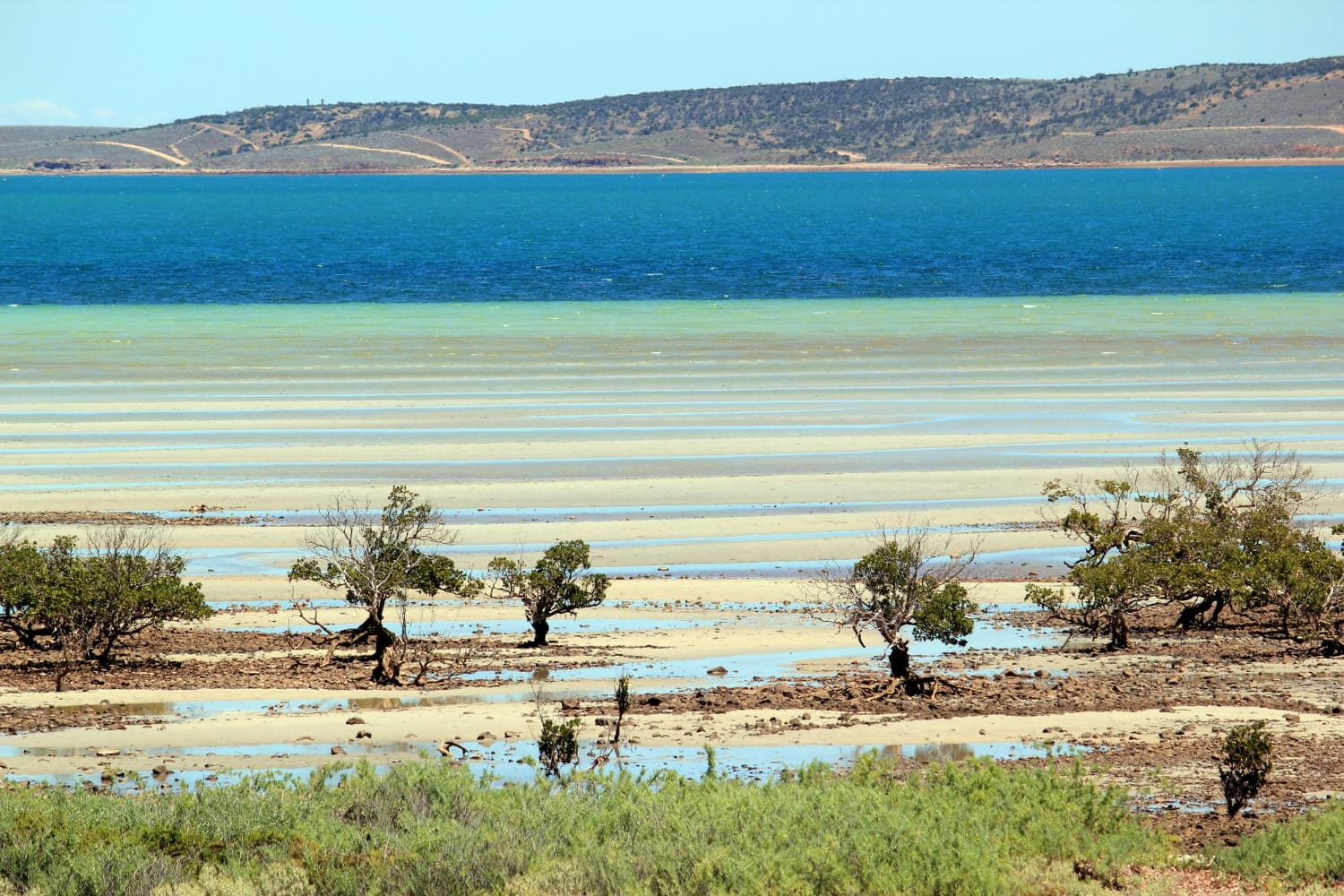
There is plenty of sunshine, very little rainfall, and morning fog rolling in from the ocean provides an important source of moisture for the local environment.

The city’s name also has an interesting history. It was founded in the 19th century as Moçâmedes, was known as Namibe from 1985, and officially returned to its historic name, Moçâmedes, in 2016. However, the name “Namibe” is still widely used for both the city and the province.
And the most incredible part begins beyond the city itself.
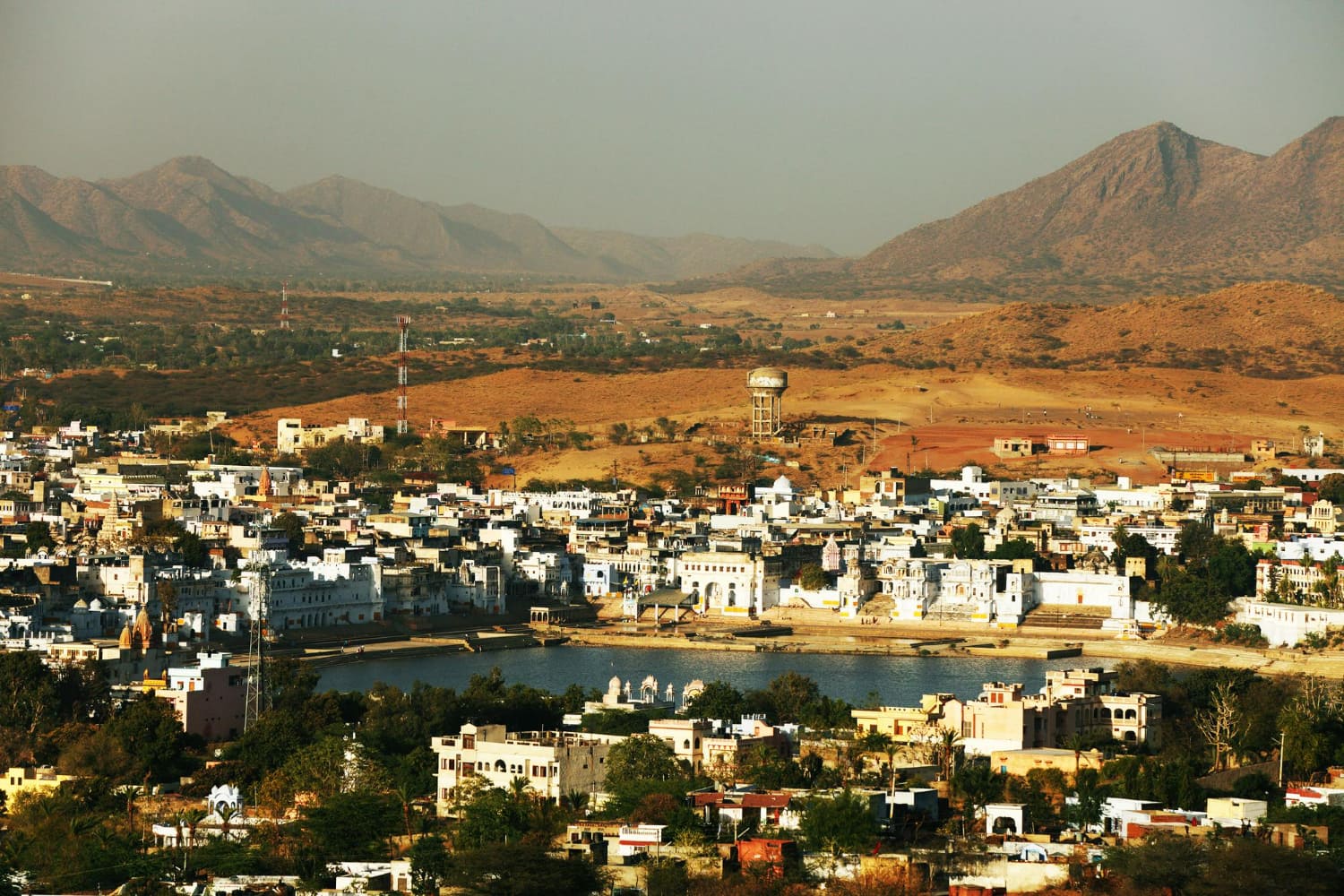
The region lies next to the Namib Desert — one of the oldest deserts on Earth. Its Angolan section is also known as the Moçâmedes Desert, where vast stretches of sand meet the Atlantic.
Imagine it: on one side, the ocean and fishing boats; on the other, golden dunes, rocky plateaus, and an almost otherworldly landscape.
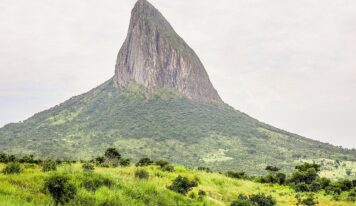
One of the region’s major destinations is Iona National Park, the largest protected area in Angola. Its landscapes include desert mountains, savannah, sand dunes, and rare wildlife. Among its most remarkable plants is Welwitschia mirabilis, an ancient plant that can survive for hundreds — and sometimes more than a thousand — years in the extreme conditions of the desert.
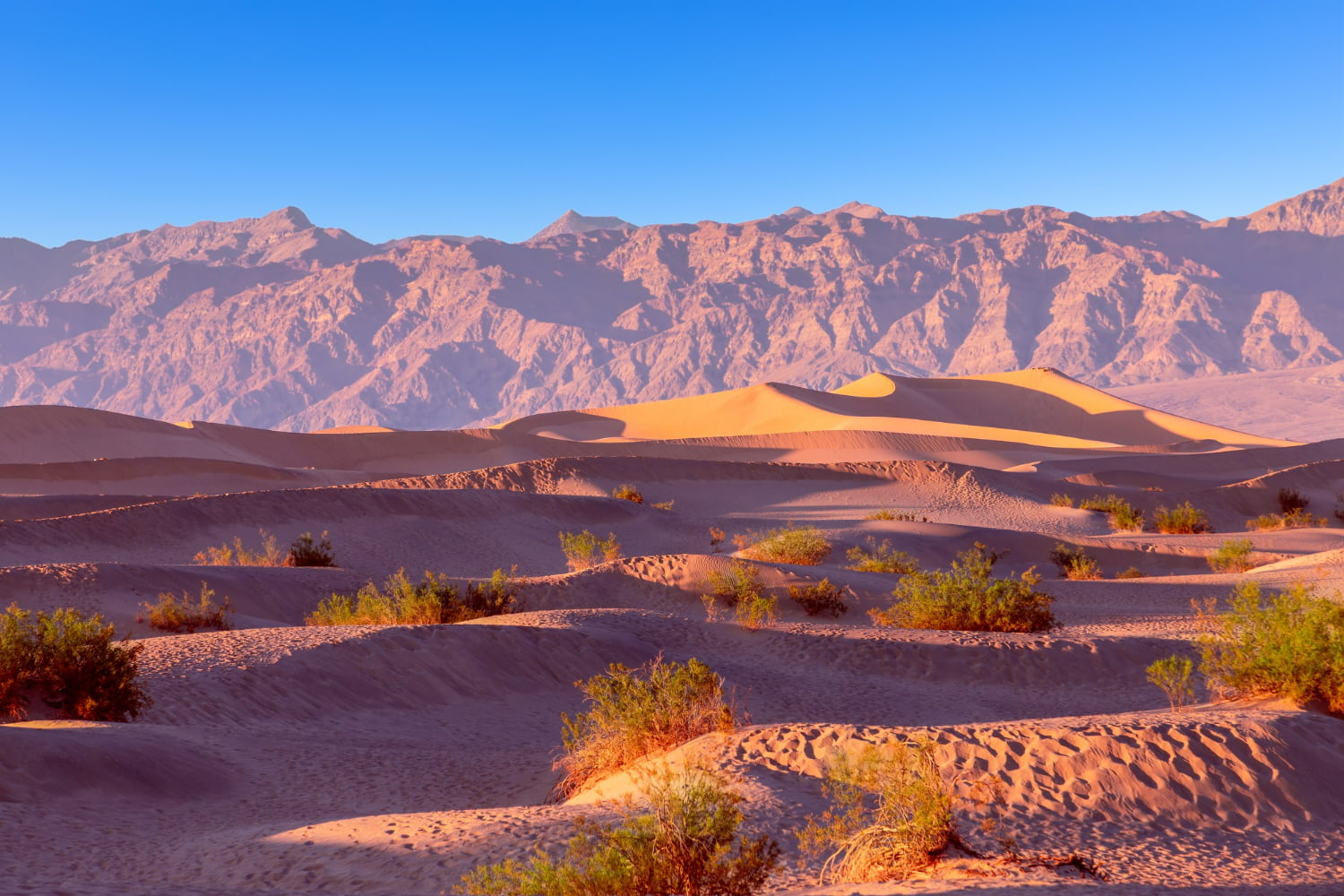
Further into the region, you can discover natural wonders such as Lagoa do Arco, with its lagoons and enormous natural sandstone arch. Along the coast, there are also places where towering dunes seem to descend directly toward the sea.
But Namibe is about more than nature. The region is home to communities with ancient traditions, including the Himba, a Herero-speaking people whose communities are found in southwestern Angola and northwestern Namibia.
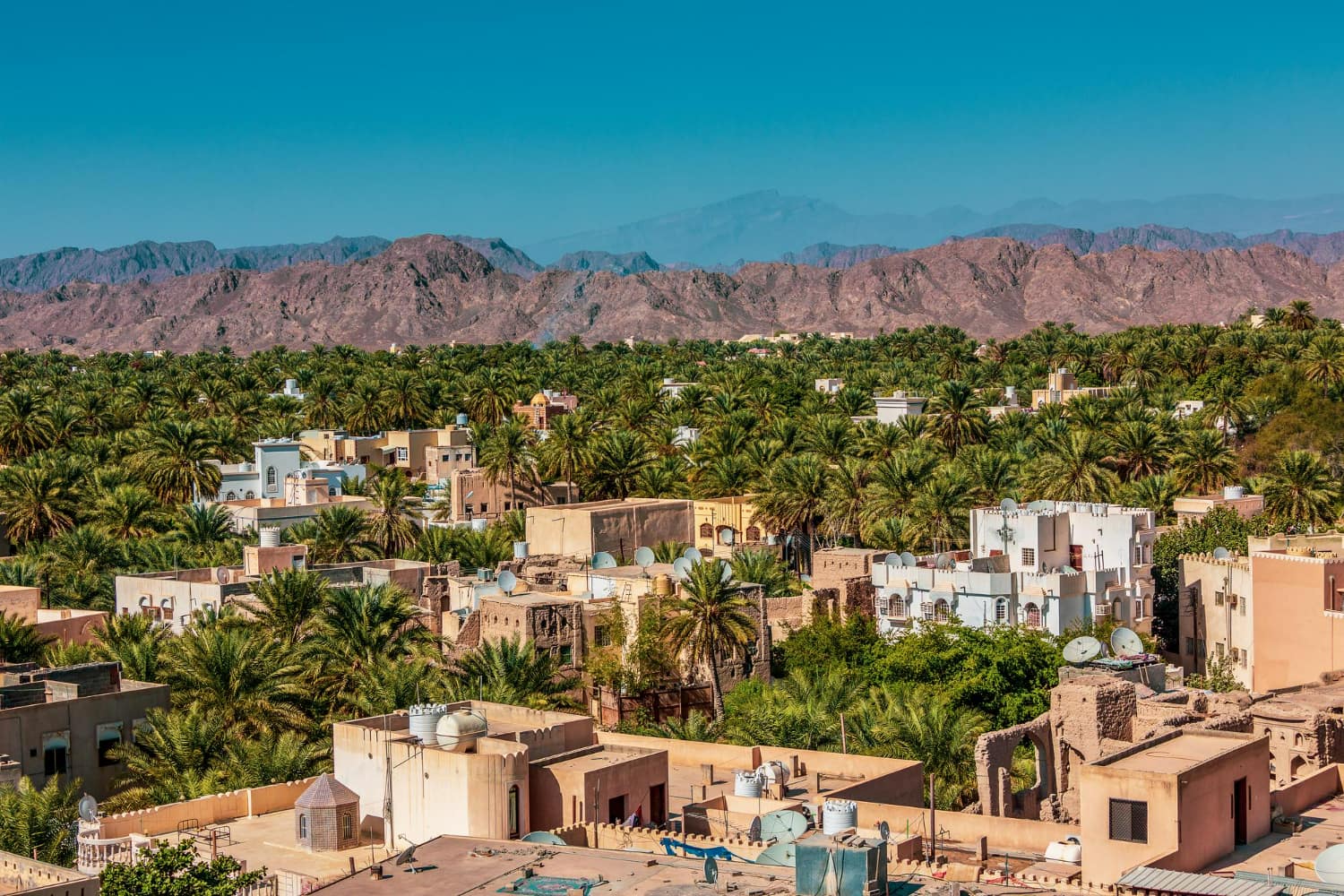
Traditionally, the Himba are pastoralists and have preserved many elements of their culture and traditional way of life. The region is also home to the Mucubal and other local communities.
And that is where the magic of Namibe lies: a city, an ocean, a desert, ancient plants, wild landscapes, and cultures shaped by centuries of life in one of Africa’s harshest environments.
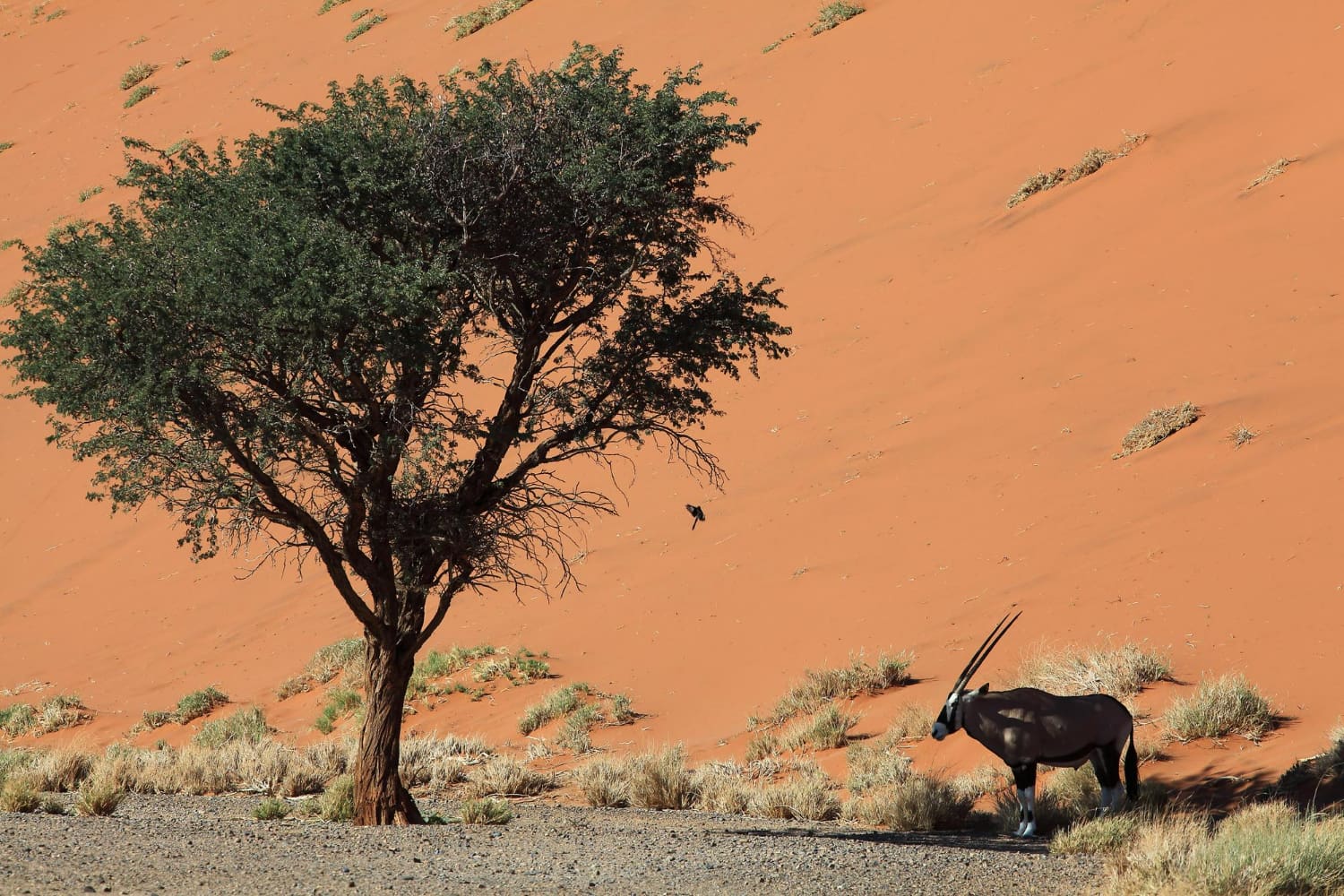
This is a place that reminds us just how diverse Africa can be — and how many of its corners still feel like a true discovery for travelers.
Read the article: Travel to the City of Benguela, Angola